%2Ffit-in%2F250x250%2Fusers%2F24e0b801-dc9a-45b5-94ac-7ded447161ac%2Fimages%2Ff55861e8-bab4-42a1-be17-747376600e5c.jpg&w=1200&q=100)
//users/24e0b801-dc9a-45b5-94ac-7ded447161ac/ratecard/d3553c87-b464-4d50-aac1-e317c77aca74.jpg)
%2Ffit-in%2F300x300%2Fusers%2F24e0b801-dc9a-45b5-94ac-7ded447161ac%2Fratecard%2Fd3553c87-b464-4d50-aac1-e317c77aca74.jpg&w=256&q=75)
%2F300x300%2Fusers%2F24e0b801-dc9a-45b5-94ac-7ded447161ac%2Fimages%2Ffishing-tours-florida-2608.jpg&w=256&q=75)
%2F300x300%2Fusers%2F24e0b801-dc9a-45b5-94ac-7ded447161ac%2Fimages%2Fredfish-fishing-tour-cape-coral-2661.jpg&w=256&q=75)
%2F300x300%2Fusers%2F24e0b801-dc9a-45b5-94ac-7ded447161ac%2Fimages%2Fredfish-fishing-tour-cape-coral-2803.jpg&w=256&q=75)
%2F300x300%2Fusers%2F24e0b801-dc9a-45b5-94ac-7ded447161ac%2Fimages%2Fsheepshead-fishing-tours-cape-coral-2610.jpg&w=256&q=75)
%2F300x300%2Fusers%2F24e0b801-dc9a-45b5-94ac-7ded447161ac%2Fimages%2Fredfish-fishing-tour-fl-2714.jpg&w=256&q=75)
%2F300x300%2Fusers%2F24e0b801-dc9a-45b5-94ac-7ded447161ac%2Fimages%2Fspotted-weakfish-fl-2620.jpg&w=256&q=75)
%2F300x300%2Fusers%2F24e0b801-dc9a-45b5-94ac-7ded447161ac%2Fimages%2Fredfish-fishing-tour-cape-coral-2696.jpg&w=256&q=75)
%2F300x300%2Fusers%2F24e0b801-dc9a-45b5-94ac-7ded447161ac%2Fimages%2Ffishing-adventure-in-fl-2699.jpg&w=256&q=75)
%2F300x300%2Fusers%2F24e0b801-dc9a-45b5-94ac-7ded447161ac%2Fimages%2Fsnook-catch-florida-2720.jpg&w=256&q=75)
%2F300x300%2Fusers%2F24e0b801-dc9a-45b5-94ac-7ded447161ac%2Fimages%2Ffishing-expedition-florida-2572.jpg&w=256&q=75)
Top-Rated Inshore Fishing in Cape Coral | Fish Fins

 Cape Coral
What you will be catching:
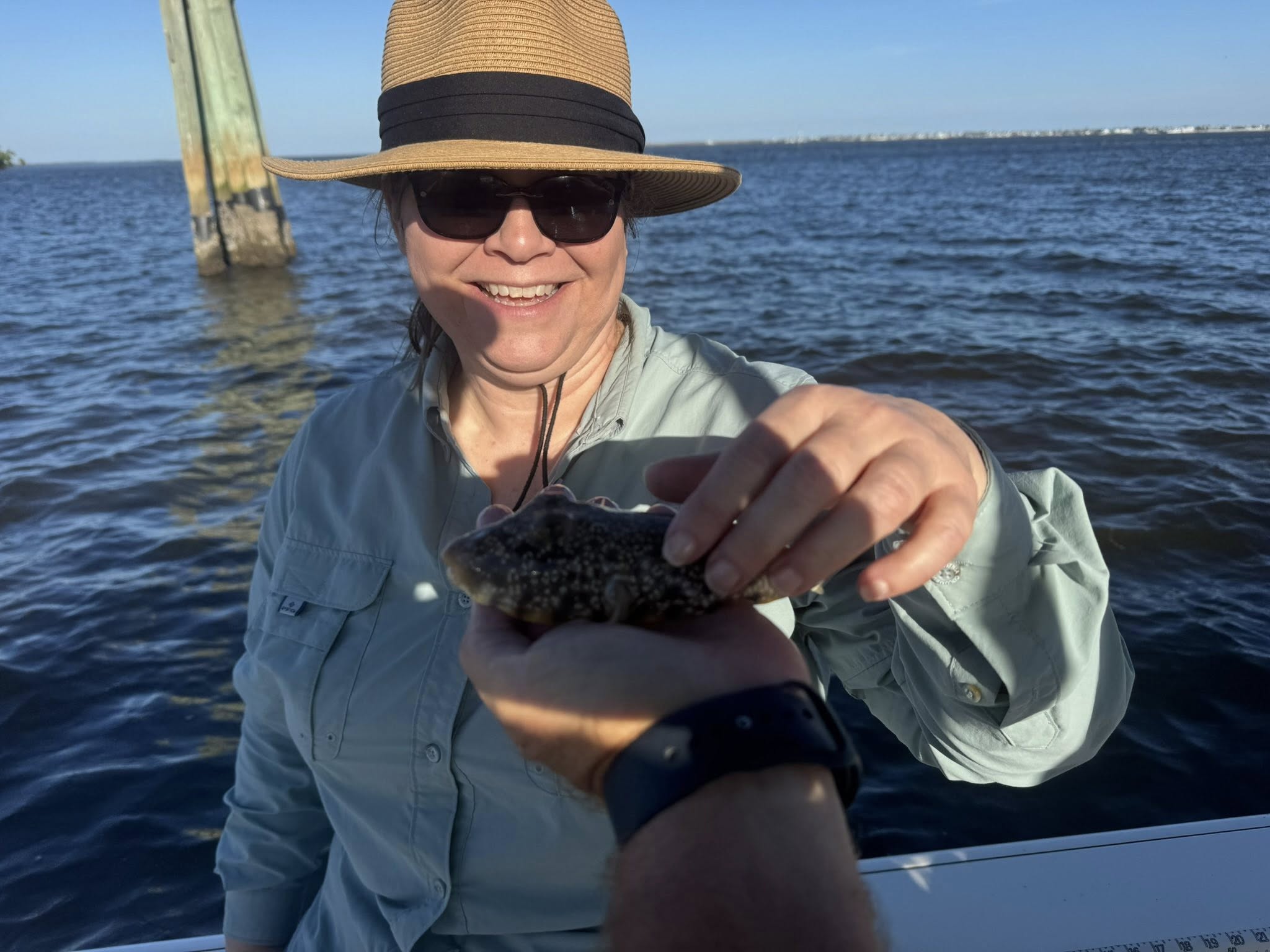
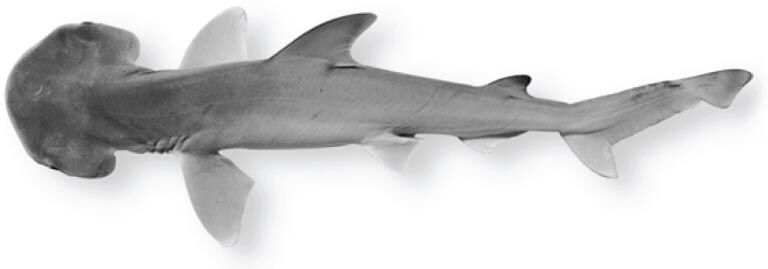 Bonnethead Shark
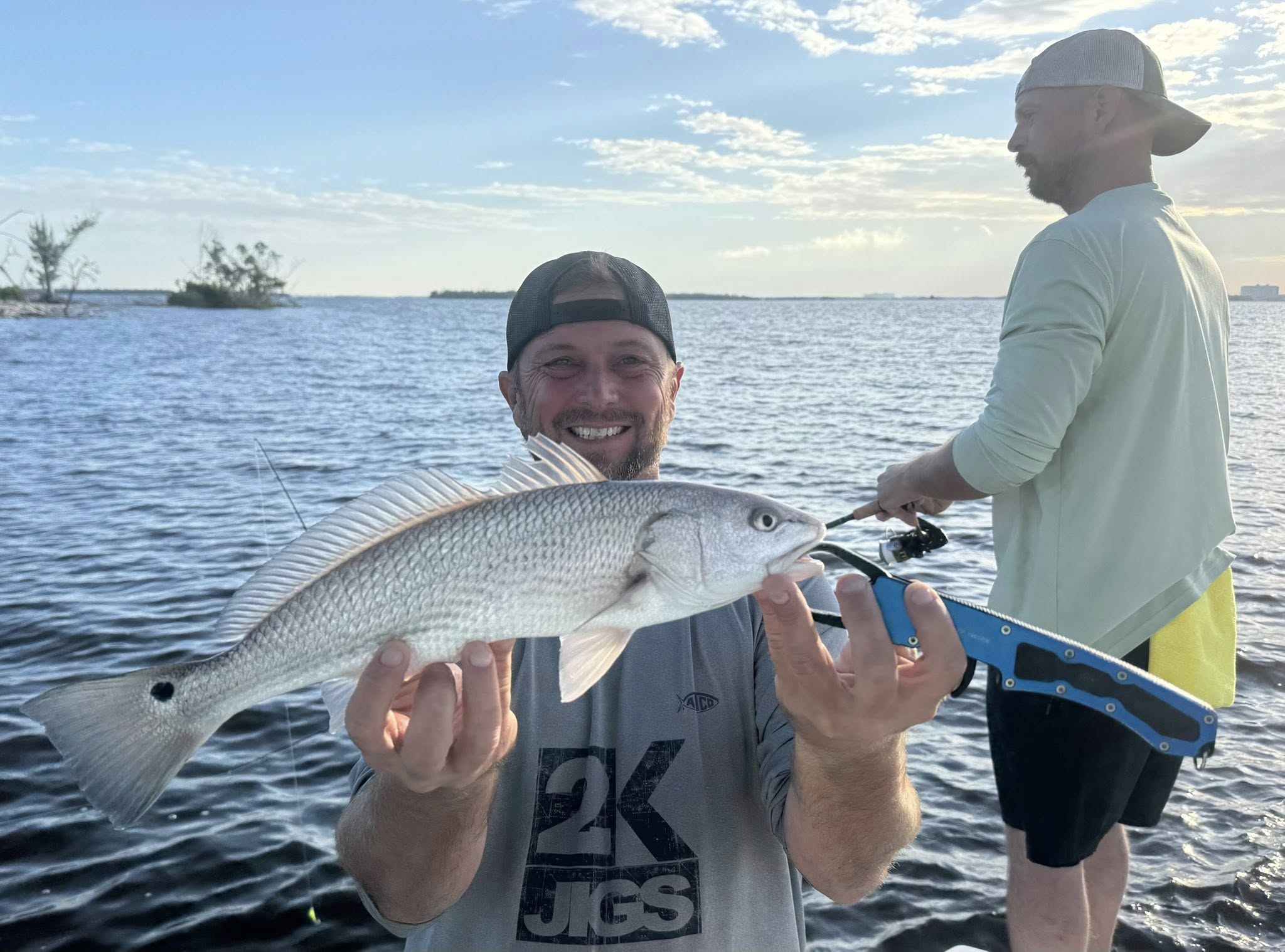
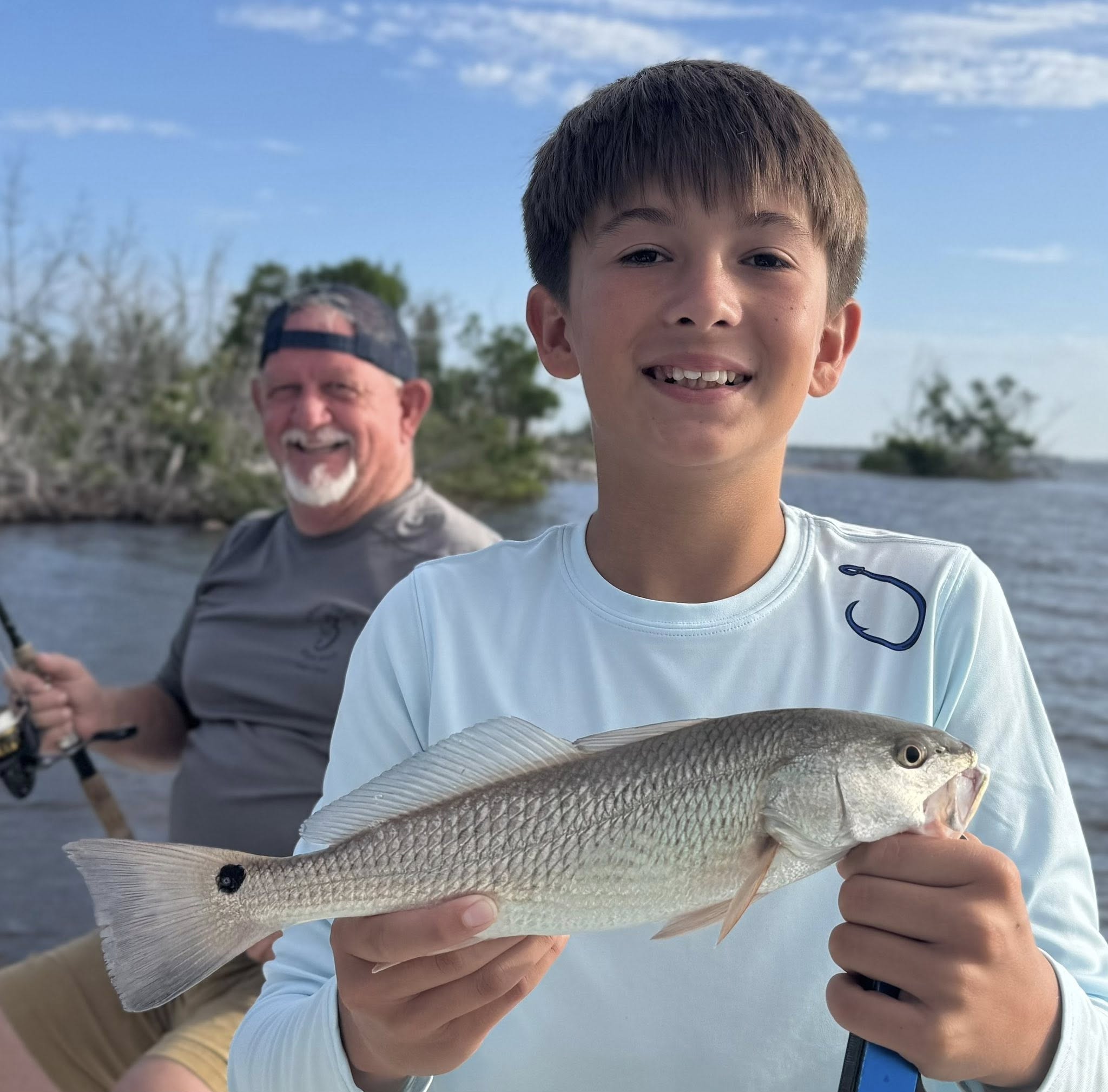
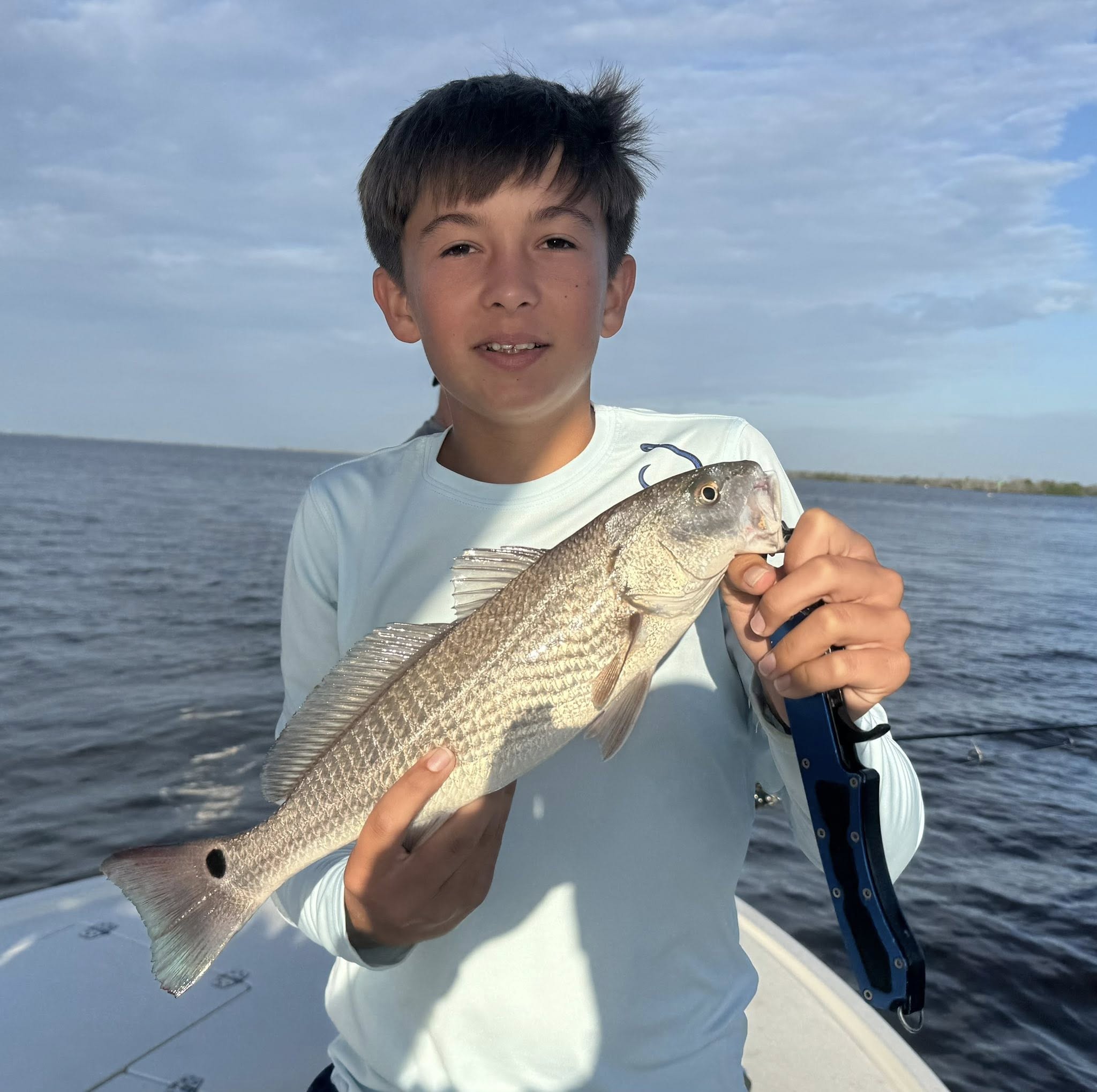
 Redfish
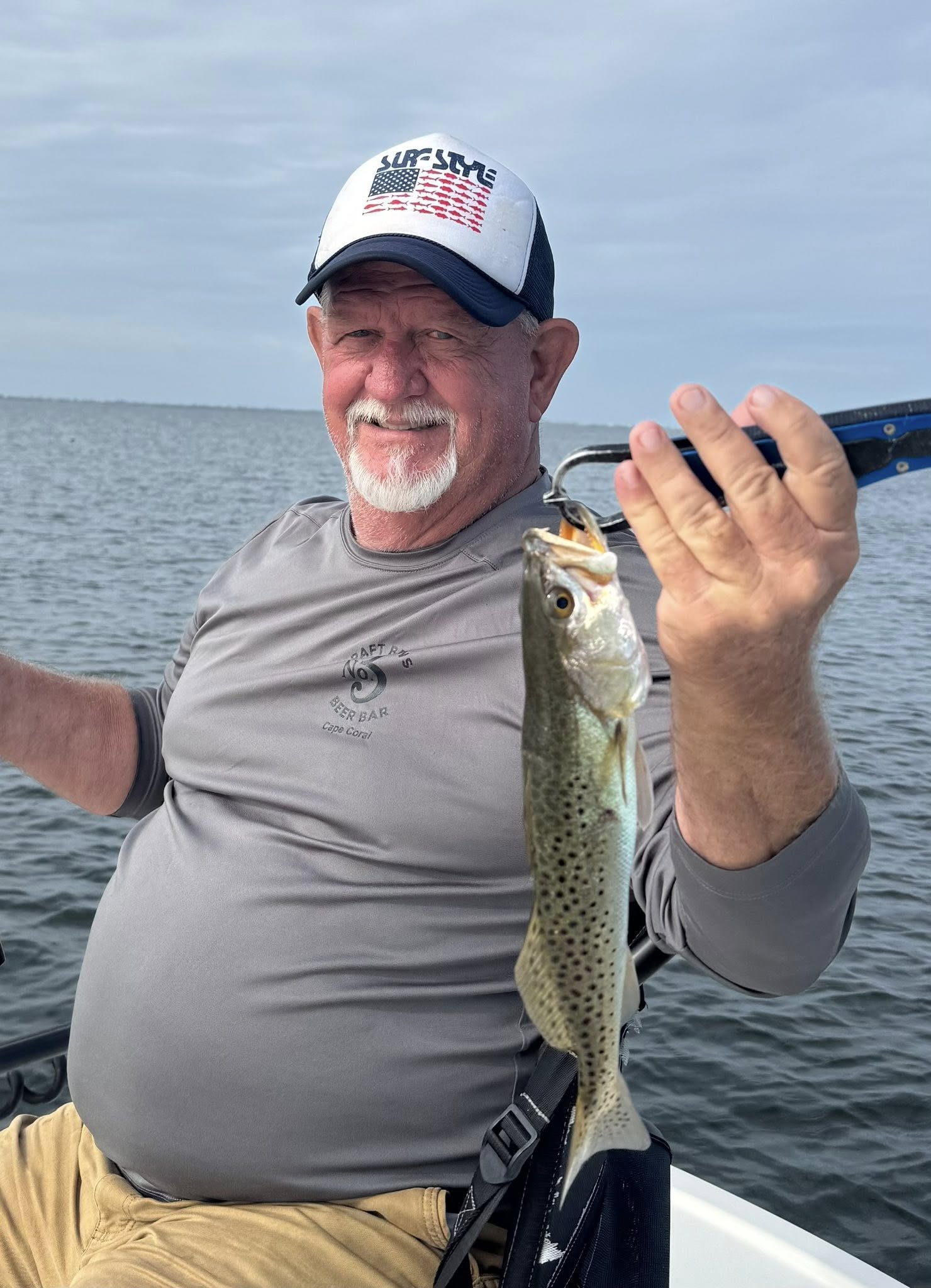
 Sea Trout
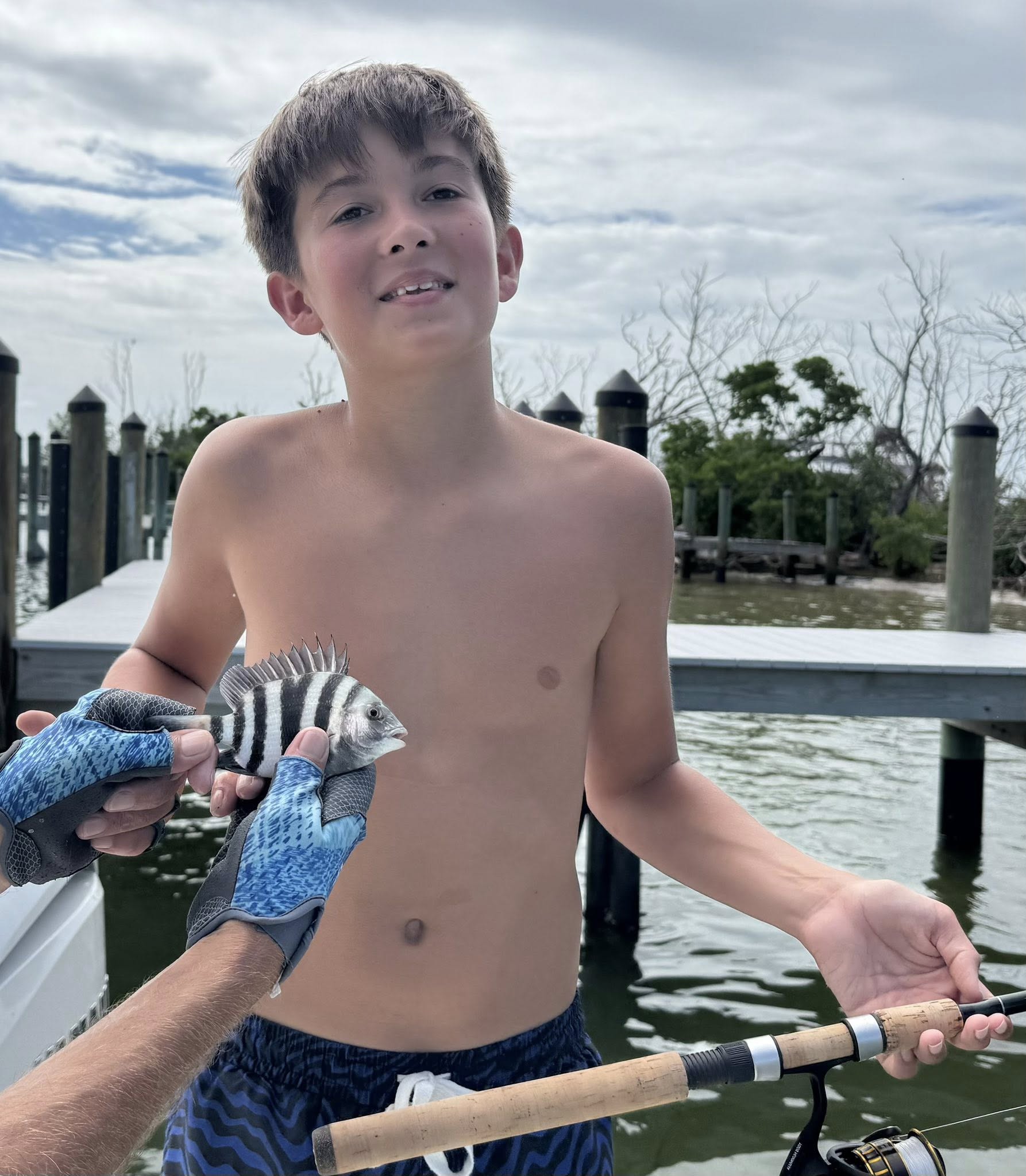
 Sheepshead
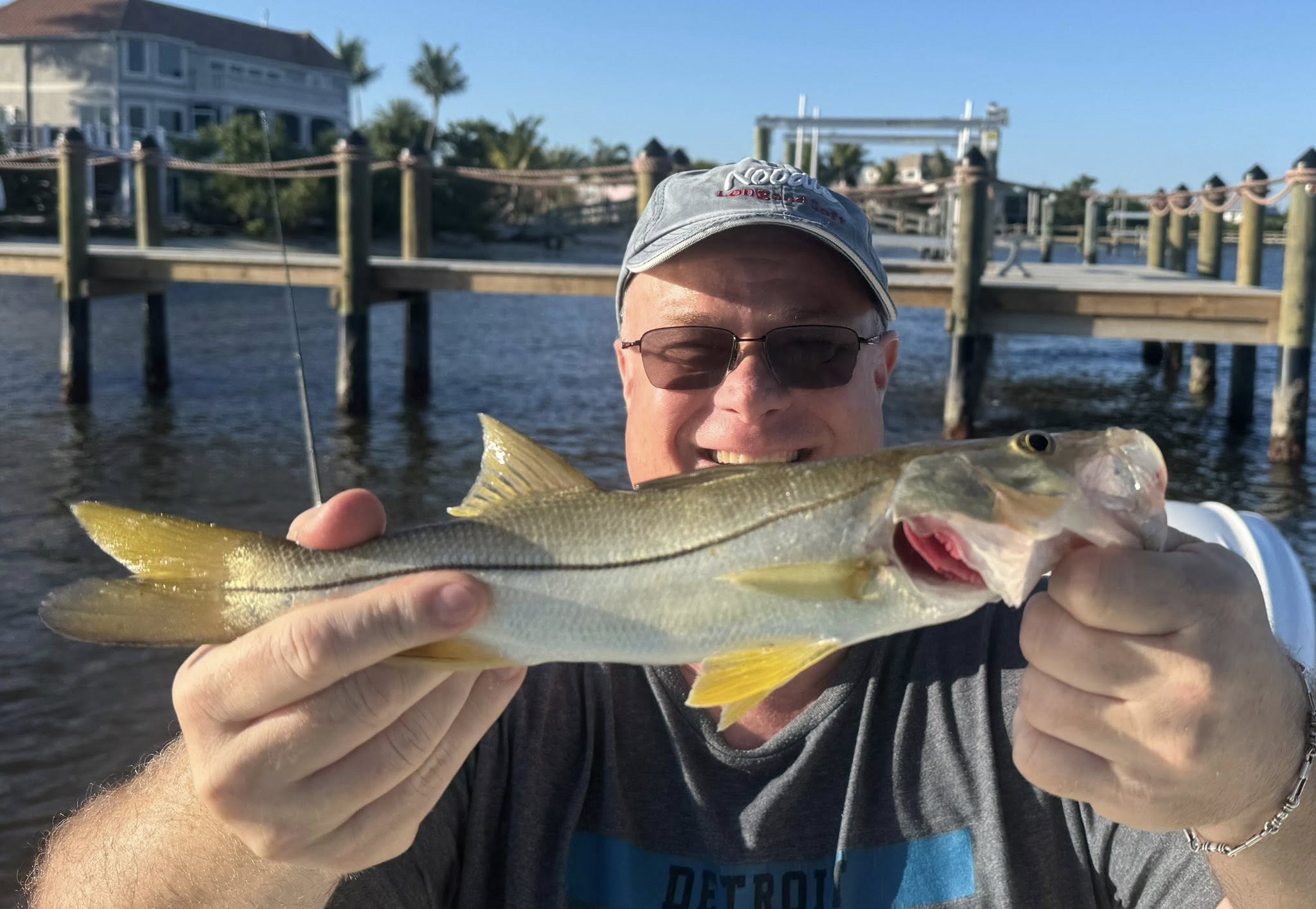
 Snook
Snook
- 4-hour inshore trip targeting redfish, snook, and sea trout
- All gear, bait, and fishing licenses included with departure from Monroe Canal Marina
- Expert Captain Todd Collier accommodates both novice and experienced anglers aboard Pathfinder 2500
Trip Pricing and Availabilities :
Trip pricing information is temporarily unavailable.
Half Day Cape Coral Inshore Fishing Adventure
Captain Todd Collier knows Cape Coral's backwaters like the back of his hand, and he's ready to put you on some serious fish. This 4-hour guided fishing trip targets the Gulf Coast's top inshore species from his well-equipped Pathfinder 2500 Hybrid. Whether you're a complete beginner or you've been wetting lines for decades, Todd tailors every trip to match your skill level. Departing from Monroe Canal Marina, you'll have everything you need – gear, bait, and licenses are all included. Just bring yourself and get ready for some fantastic fishing in one of Florida's most productive inshore destinations.
What to Expect on the Water
Your day starts at Monroe Canal Marina, where you'll meet Captain Todd and step aboard his Pathfinder 2500 Hybrid. This boat handles Cape Coral's diverse waters perfectly, from shallow grass flats to deeper canal systems. Todd's been running these waters for years, so he knows exactly where to find active fish based on tides, weather, and seasonal patterns. The 4-hour window gives you plenty of time to work multiple spots without feeling rushed. You'll use a mix of live and natural baits – Todd brings everything from live shrimp and pilchards to cut bait, depending on what the fish are eating that day. The boat's equipped with quality rods and reels, so even if you don't own gear, you're covered. This is hands-on fishing where you'll learn proper techniques while actually catching fish, not just casting into empty water.
Live Bait Tactics & Local Spots
Cape Coral's inshore fishing revolves around reading water and matching your bait to the target species. Todd uses live shrimp under popping corks for sea trout in the grass beds, while switching to fiddler crabs and oysters when targeting sheepshead around structure. For redfish, he'll often drift live pinfish or cut mullet along mangrove shorelines during moving tides. The area's canal systems provide year-round opportunities, but the real magic happens on the flats when conditions align. You'll fish oyster bars, mangrove points, and grass edges where baitfish congregate and predators follow. Todd reads the water constantly, adjusting locations based on bird activity, bait movement, and tide flow. The Pathfinder's shallow draft lets you access spots bigger boats can't reach, putting you on fish that see less pressure. Don't worry about technique – Todd coaches you through everything from hook sets to fighting fish properly.
Why Anglers Keep Coming Back
"Absolutely had the best time with Captin Todd and First Mate Steven. Couldn't have asked for a better experience! It was so much fun, they were so attentive and never stopped moving with our family of 6. Kid and inexperienced friendly! They do everything for you and you're never not fishing/catching!! Absolutely take a trip with Todd! We had such a great first trip with him and Steven at the beginning of our stay, that we went back for a second trip before we left!" - Katie
Top Catches This Season
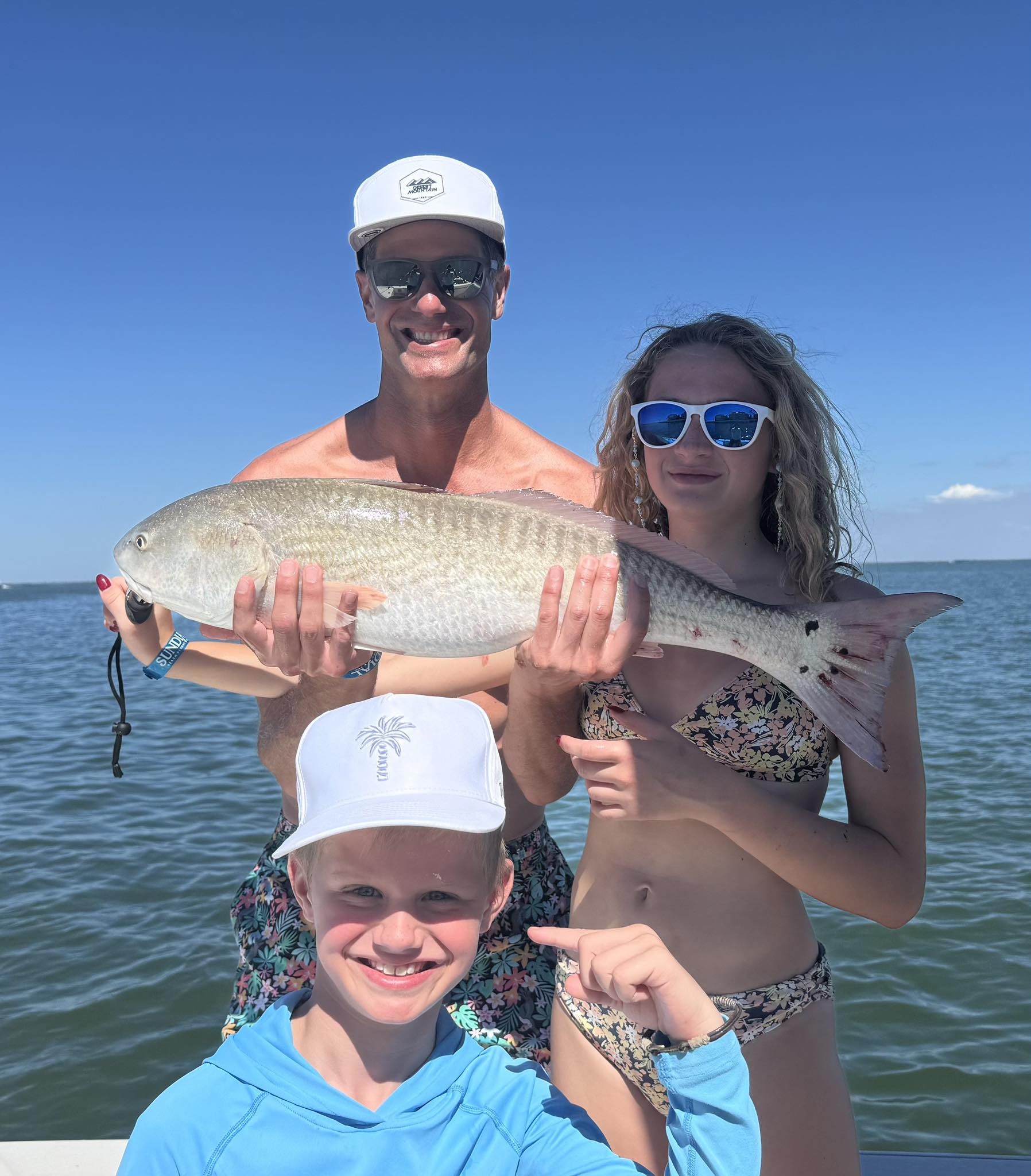
Redfish are the bread and butter of Cape Coral inshore fishing, and for good reason. These copper-colored fighters range from slot-sized fish around 18-27 inches up to oversized bulls that'll test your drag system. Peak redfish action happens during fall and winter months when they school up in shallow water, but you'll find them year-round around oyster bars and mangrove shorelines. What makes reds special is their aggressive strike and bulldog fighting style – they'll make powerful runs toward structure, testing both your tackle and technique. Todd knows the prime redfish holes where these fish ambush baitfish during tide changes.
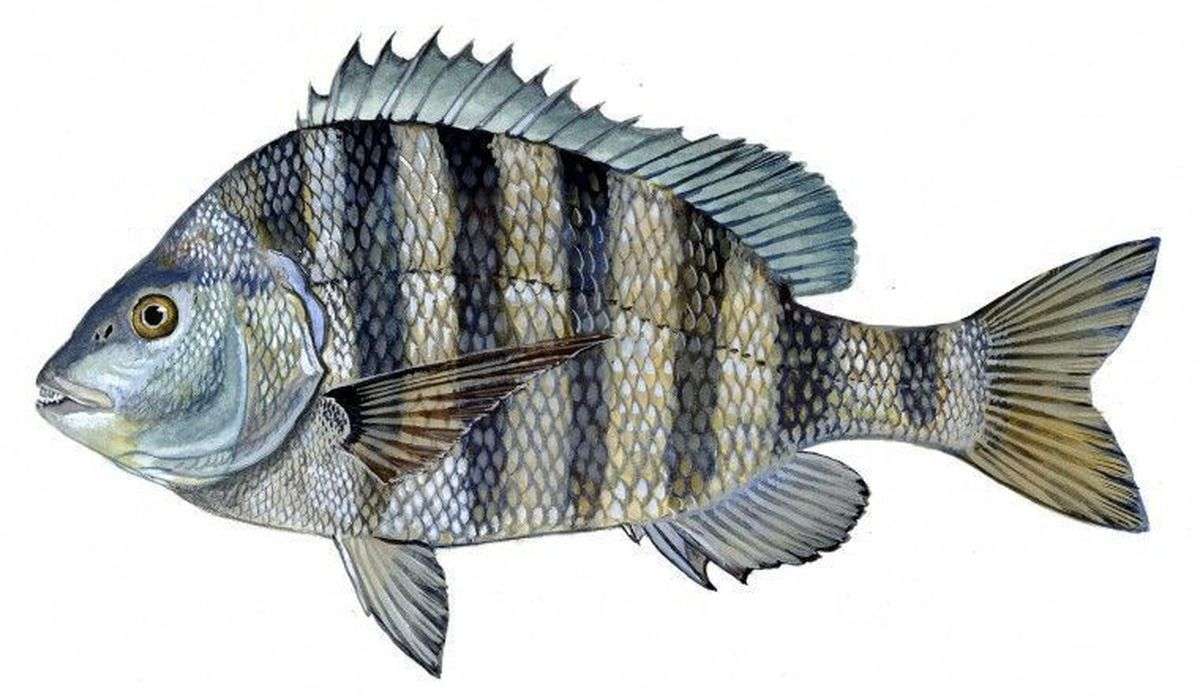
Sheepshead earn their reputation as one of the craftiest inshore species, and Cape Coral's abundant structure makes it prime sheepshead territory. These black-and-white striped fish have human-like teeth designed for crushing barnacles and crabs off pilings and rocks. They're notorious bait thieves, so catching one requires patience and proper technique. Peak sheepshead season runs from late fall through early spring when they move inshore to spawn. What anglers love about sheepshead is the challenge – you need perfect timing on the hook set, and when you connect, you're rewarded with excellent table fare. Todd's got the sheepshead game dialed in, using the right tackle and bait presentation to fool these finicky feeders.
Sea trout provide consistent action throughout Cape Coral's grass flats and are perfect for anglers wanting steady bites. These spotted beauties prefer water temperatures between 68-78 degrees, making fall through spring the prime window. Trout are ambush predators that hold in grass beds waiting for shrimp and small fish to swim by. They're aggressive strikers but have soft mouths, so proper hook setting technique is crucial. What makes sea trout fishing exciting is the visual aspect – you can often see them following your bait in clear water before they strike. Todd targets trout using live shrimp under popping corks, creating commotion that draws fish from surrounding cover.
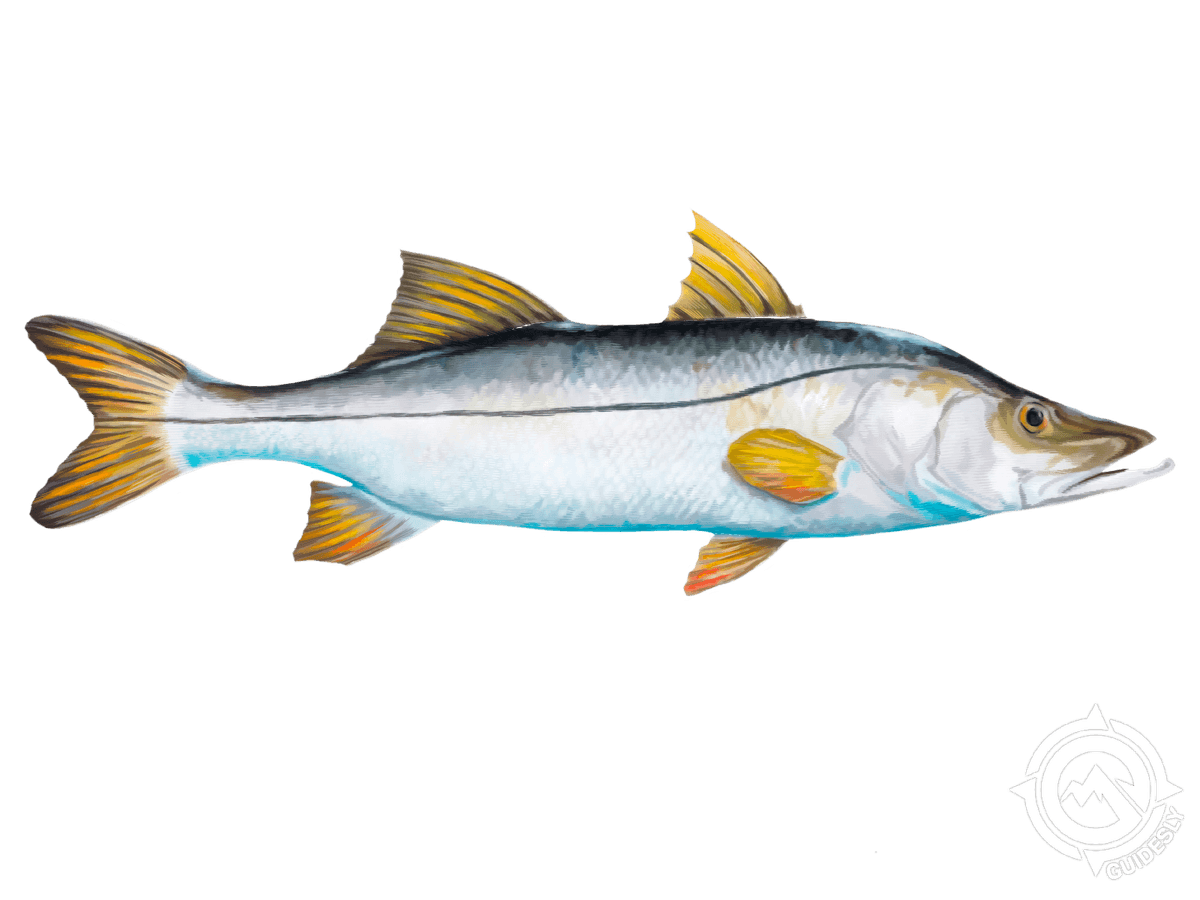
Snook represent the holy grail of Florida inshore fishing, combining spectacular jumps with powerful runs that'll get your heart pumping. These silver-sided predators love Cape Coral's mangrove shorelines and canal systems, especially during warmer months. Snook are structure-oriented fish that ambush prey from under docks, mangrove overhangs, and bridge pilings. They're extremely temperature sensitive, becoming sluggish when water drops below 60 degrees. What makes snook fishing addictive is their explosive strikes and acrobatic fights – they'll jump repeatedly, trying to throw the hook. Todd knows the prime snook spots and times them perfectly with tide movements and bait concentrations.
Bonnethead sharks add excitement to any inshore trip, especially for first-time shark catchers. These smaller members of
Customer Review
Best Fishing Trip Ever

Katie Smithee
August 9, 2025
Learn more about the species
Bonnethead Shark
Bonnethead sharks are the smallest hammerheads around and a blast to catch on light tackle. Most run 2-3 feet long, with that distinctive shovel-shaped head that sets them apart. We find them in shallow bays and grass flats, often in small schools of 5-10 fish. Summer and fall are best when they move into our warmer inshore waters. What guests love is they're completely harmless but fight way above their weight class - long runs and hard pulls that'll get your heart pumping. They're curious fish that'll often circle the boat. They're primarily catch-and-release, but the experience of landing your first shark is something special. My advice: use fresh cut crab on a circle hook with wire leader. Once you hook up, keep steady pressure and let that drag work - they'll tire themselves out with those powerful runs.
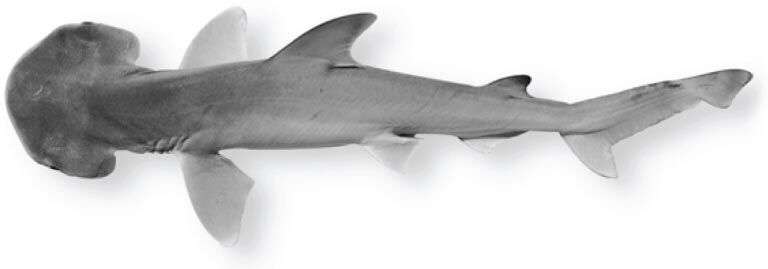
Redfish
Redfish are the bread and butter of our inshore fishing here - copper-colored beauties with distinctive black spots near their tails. Most slot fish run 18-27 inches, perfect for the dinner table. We find them in super shallow water, sometimes with their backs showing, cruising oyster bars and grass flats. They're year-round residents, but spring and fall bring the best action when they school up. What makes reds so popular is their strong, bulldogging fight and willingness to eat just about anything. Plus, they're protected gamefish with great regulations. The meat is firm and mild - perfect grilled or blackened. Pro tip: look for "tailing" fish in skinny water. When you see that tail wagging above the surface, cast ahead of where they're heading and let your bait sink naturally.
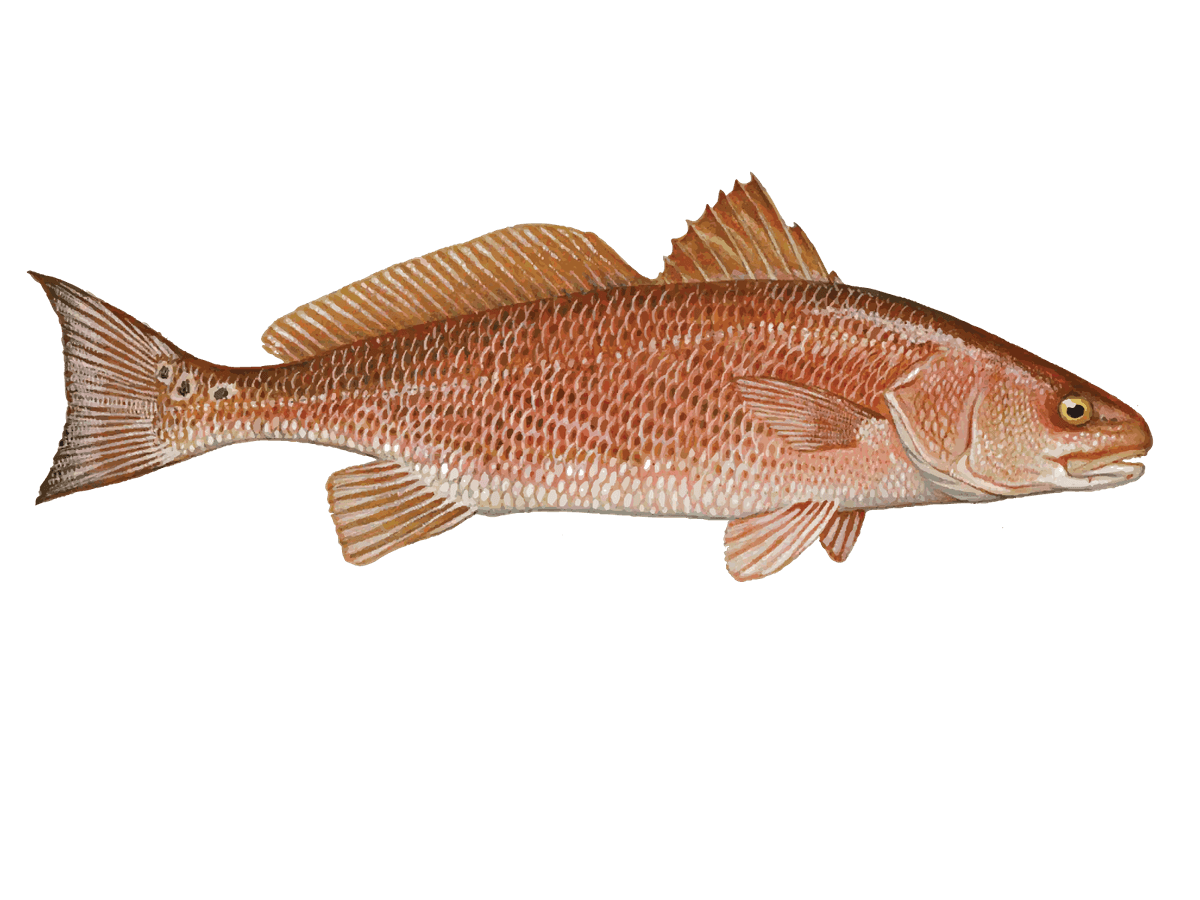
Sea Trout
Spotted sea trout, or "specks" as we call them, are perfect for anglers wanting consistent action on light tackle. They average 12-16 inches but we catch plenty in the 2-3 pound range. You'll find them over grass flats in 2-8 feet of water, especially around points and drop-offs. They bite year-round, but cooler months see them schooling up in deeper channels. What makes trout fishing fun is their willingness to hit both live bait and artificials - they're not too picky. The meat is tender and flaky, though you don't want to overcook it. Best tip I can share: work the grass edges at dawn and dusk with a popping cork and live shrimp. That popping sound drives them crazy, and you'll often see multiple fish following your bait.
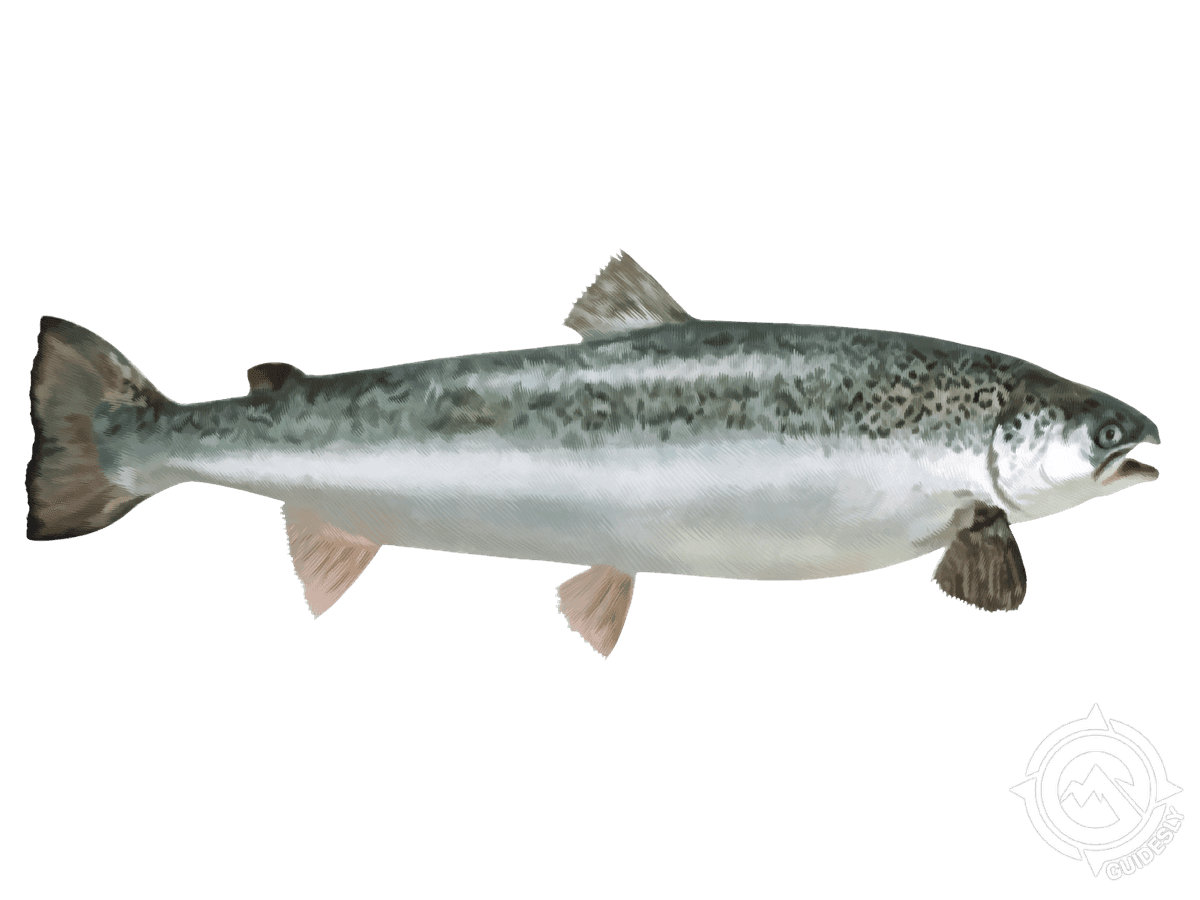
Sheepshead
Sheepshead are some of the craftiest fish we target - they've got those human-like teeth and black stripes that earned them the nickname "convict fish." Most run 1-3 pounds around here, but we catch some nice 5-8 pounders too. Look for them around any structure with barnacles - bridge pilings, docks, and rock piles are perfect spots. Winter through early spring is peak season when they school up for spawning. What guests love about sheepshead is they're fantastic table fare - sweet, white meat that's hard to beat. The challenge is they're notorious bait thieves who'll nibble your hook clean. Here's the key: keep your bait tight to the structure and set the hook hard the moment you feel weight. They've got tough mouths, so don't be gentle.
Snook
Snook are one of our most prized gamefish here in Cape Coral - sleek, golden fish with that distinctive black lateral line running down their sides. Most run 18-30 inches, but we occasionally hook into bigger ones pushing 3-4 feet. They love hanging around mangroves, docks, and bridges where they ambush bait. Spring through fall are prime months, especially around the new and full moons when they're most active. What makes snook special is their explosive strike and strong runs - they'll test your drag for sure. They're also great eating with white, flaky meat. My tip: cast your bait right up against structure. Snook rarely venture far from cover, so the closer you can get to those mangrove roots or pilings, the better your chances.
About the Pathfinder 2500 Hybrid
%2F%2Fusers%2F24e0b801-dc9a-45b5-94ac-7ded447161ac%2Fvehicle_picture%2Funnamed.jpg&w=1200&q=75)
Vehicle Guest Capacity: 6
Manufacturer Name: Yamaha
Maximum Cruising Speed: 45
Number of Engines: 1
Horsepower per Engine: 300




Absolutely had the best time with Captin Todd and First Mate Steven. Couldn’t have asked for a better experience! It was so much fun, they were so attentive and never stopped moving with our family of 6. Kid and inexperienced friendly! They do everything for you and you’re never not fishing/catching!! Absolutely take a trip with Todd! We had such a great first trip with him and Steven at the beginning of our stay, that we went back for a second trip before we left!