%2Ffit-in%2F250x250%2Fusers%2F24e0b801-dc9a-45b5-94ac-7ded447161ac%2Fimages%2Ff55861e8-bab4-42a1-be17-747376600e5c.jpg&w=1200&q=100)
/users/24e0b801-dc9a-45b5-94ac-7ded447161ac/ratecard/bd2a3959-7789-43cb-b417-645b549e2bac.jpg)
%2F300x300%2Fusers%2F24e0b801-dc9a-45b5-94ac-7ded447161ac%2Fratecard%2Fbd2a3959-7789-43cb-b417-645b549e2bac.jpg&w=256&q=75)
%2F300x300%2Fusers%2F24e0b801-dc9a-45b5-94ac-7ded447161ac%2Fimages%2Ffishing-tours-florida-2608.jpg&w=256&q=75)
%2F300x300%2Fusers%2F24e0b801-dc9a-45b5-94ac-7ded447161ac%2Fimages%2Fredfish-fishing-tour-cape-coral-2661.jpg&w=256&q=75)
%2F300x300%2Fusers%2F24e0b801-dc9a-45b5-94ac-7ded447161ac%2Fimages%2Fredfish-fishing-tour-cape-coral-2803.jpg&w=256&q=75)
%2F300x300%2Fusers%2F24e0b801-dc9a-45b5-94ac-7ded447161ac%2Fimages%2Fsheepshead-fishing-tours-cape-coral-2610.jpg&w=256&q=75)
%2F300x300%2Fusers%2F24e0b801-dc9a-45b5-94ac-7ded447161ac%2Fimages%2Fredfish-fishing-tour-fl-2714.jpg&w=256&q=75)
%2F300x300%2Fusers%2F24e0b801-dc9a-45b5-94ac-7ded447161ac%2Fimages%2Fspotted-weakfish-fl-2620.jpg&w=256&q=75)
%2F300x300%2Fusers%2F24e0b801-dc9a-45b5-94ac-7ded447161ac%2Fimages%2Fredfish-fishing-tour-cape-coral-2696.jpg&w=256&q=75)
%2F300x300%2Fusers%2F24e0b801-dc9a-45b5-94ac-7ded447161ac%2Fimages%2Ffishing-adventure-in-fl-2699.jpg&w=256&q=75)
%2F300x300%2Fusers%2F24e0b801-dc9a-45b5-94ac-7ded447161ac%2Fimages%2Fsnook-catch-florida-2720.jpg&w=256&q=75)
%2F300x300%2Fusers%2F24e0b801-dc9a-45b5-94ac-7ded447161ac%2Fimages%2Ffishing-expedition-florida-2572.jpg&w=256&q=75)
Quick 4-Hour Inshore Adventure | Fish Fins And Grins
 Cape Coral
What you will be catching:
 Black Drum
 Redfish
 Sea Trout
 Sheepshead
 Snook
Snook
- Captain Todd Collier runs a perfect 4-hour introduction to Cape Coral's inshore fishing scene. This trip is built for beginners, families, and anyone who wants to learn without the pressure. You'll fish from his Pathfinder 2500 Hybrid targeting redfish, snook, sea trout, sheepshead, and black drum in local waters. Todd supplies all the gear, bait, and teaching you need
- just bring snacks, drinks, and sunscreen. It's hands-on fishing at a comfortable pace where kids and first-timers actually catch fish and have fun doing it. Maximum 4 guests keeps it personal and relaxed.
Trip Pricing and Availabilities:
Half Day Beginner-Friendly Cape Coral Fishing
Looking for a laid-back fishing adventure that won't intimidate first-timers? Captain Todd Collier's got you covered with this top-rated 4-hour inshore trip around Cape Coral's productive waters. Whether you're bringing the kids for their first fishing experience or just want to unwind without the pressure of a hardcore charter, this beginner-friendly outing hits the sweet spot. You'll spend your morning or afternoon targeting some of Southwest Florida's most popular inshore species while learning the ropes from a captain who knows these waters like the back of his hand.
What to Expect on the Water
This isn't your typical high-pressure fishing charter where you feel like you need to catch your limit or bust. Captain Todd keeps things relaxed and educational, making it perfect for families with young anglers or adults who've never held a fishing rod before. You'll launch from Cape Coral and work the shallow flats, mangrove shorelines, and grass beds where these inshore species love to hang out. The beauty of this trip is that there's no rush – if someone needs extra time learning to cast or fighting their first fish, Todd's got all the patience in the world. The Pathfinder 2500 Hybrid provides a stable, comfortable platform that's easy to move around on, which matters when you've got kids aboard or folks who aren't used to being on boats. Todd supplies everything you need including rods, reels, tackle, and bait, so all you need to worry about is bringing some snacks, drinks, and plenty of sunscreen for your crew.
Techniques You'll Master
Captain Todd focuses on live bait fishing and light tackle techniques that give beginners the best shot at success while still being fun for more experienced anglers in your group. You'll learn how to work live shrimp under popping corks around mangrove edges where snook and redfish ambush their prey, and how to bounce jigs along grass flats where sea trout cruise looking for an easy meal. The shallow water fishing around Cape Coral is perfect for learning because you can actually see the structure and cover where fish live – mangrove roots, oyster bars, and grass beds become your classroom. Todd takes time to explain why fish hold in certain spots and how to read the water, so you're not just catching fish but actually understanding what makes them tick. The light spinning tackle he provides gives everyone a fair fight with these fish without being overwhelming for smaller hands or beginners who are still getting comfortable with the basics of casting and retrieving.
Species You'll Want to Hook
Redfish are the bread and butter of Cape Coral inshore fishing, and for good reason – these copper-colored bruisers are aggressive, fight hard, and show up year-round in the shallow waters around the area. You'll find them cruising grass flats in schools or tailing in super shallow water where they're feeding on crabs and shrimp. What makes reds special is how they eat – they're not picky and will hammer live shrimp, cut bait, or artificial lures with equal enthusiasm. Most of the fish you'll encounter run between 18-27 inches, which puts up a great fight on light tackle without being too overwhelming for beginners. The slot-size fish are perfect for photos before you release them to fight another day.
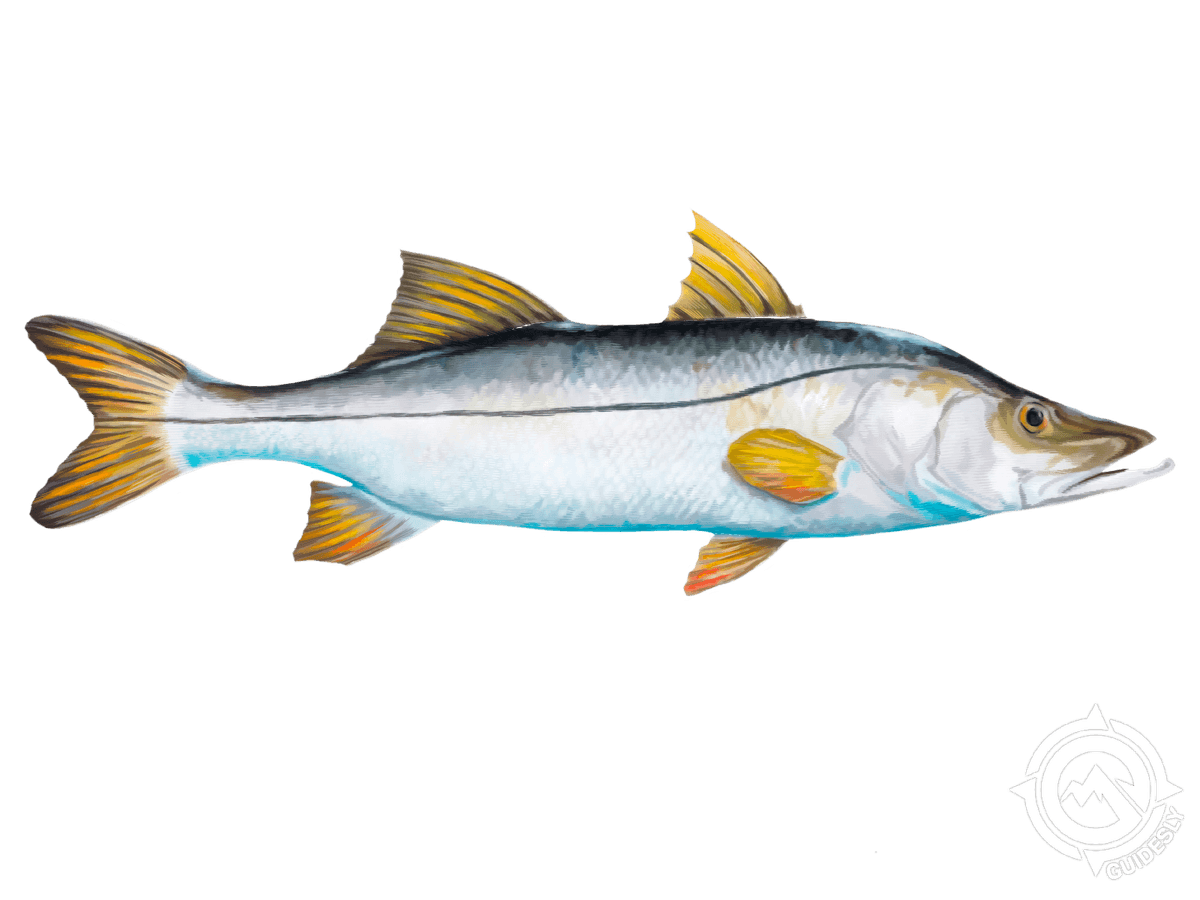
Snook are the glamour fish of Southwest Florida inshore waters, and Cape Coral's mangrove-lined canals and creeks provide world-class habitat for these silvery predators. These fish are ambush hunters that love to hang tight to structure – think dock pilings, mangrove overhangs, and bridge abutments where they can dart out to grab unsuspecting baitfish. What makes snook fishing exciting is their explosive strike and acrobatic fight, often jumping multiple times when hooked. They're more temperature-sensitive than redfish, so spring through fall gives you the best action, though they can be caught year-round in deeper holes during cooler months. The average fish runs 20-28 inches, and their distinctive black lateral line and protruding lower jaw make them easy to identify.
Sea trout might not win any beauty contests, but they're a customer favorite because they're willing biters that show up in good numbers throughout Cape Coral's grass flats. These speckled fighters prefer areas with sandy bottoms mixed with grass, and they're most active during moving tides when baitfish get stirred up. What's great about trout for beginners is their predictable behavior – find the right depth and grass mixture, and you can often catch multiple fish from the same spot. They hit live shrimp and small jigs with authority, and while they don't jump like snook or pull like redfish, their head-shaking fight and willingness to bite makes them perfect confidence builders for first-time anglers.
Sheepshead are the technical challenge fish of the bunch – these black-and-white striped convicts have human-like teeth that they use to crush shellfish around structure like dock pilings and bridges. What makes them tricky is their light bite and notorious bait-stealing abilities, but Captain Todd knows exactly how to rig for them and coach beginners through the subtle techniques needed for success. Winter months are prime time for sheepshead around Cape Coral as they move shallow to spawn, and their excellent table fare makes them a rewarding target. They typically run 12-16 inches around here, and landing one feels like a real accomplishment because of their reputation as tackle thieves.
Black drum are the gentle giants of the inshore scene, with larger specimens providing serious pulling power that gets everyone's attention. These bottom-dwellers use their downward-facing mouths to vacuum up crabs, shrimp, and mollusks from sandy and muddy bottoms around the area. What's cool about drum fishing is the variety – you might catch anything from small "puppy drum" around 14-16 inches to bruiser fish pushing 20-30 pounds that will test your patience and arm strength. They're most active during cooler months around Cape
Learn more about the animals
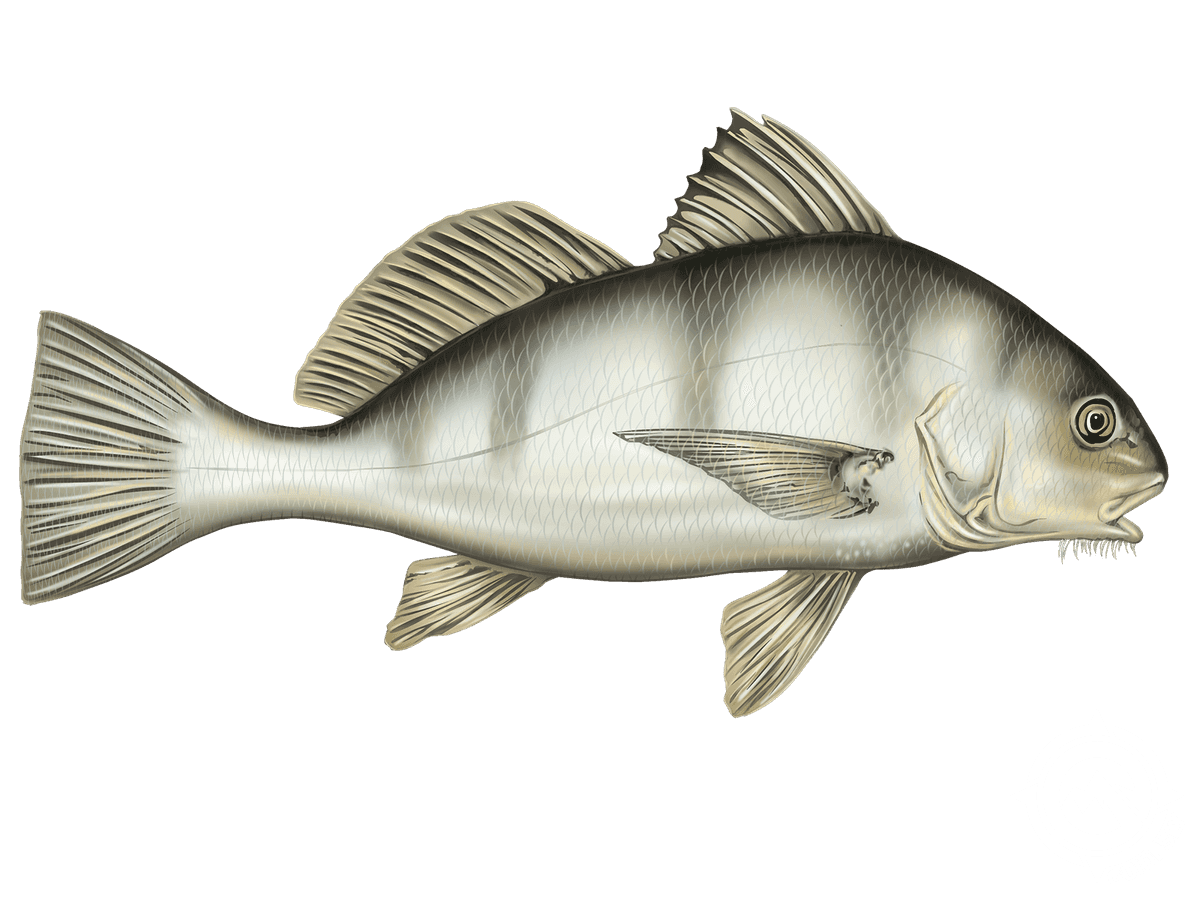
Black Drum
Black Drum are the heavy hitters of our inshore waters, typically weighing 5-30 pounds though we occasionally hook giants over 50. These bottom-feeders love oyster bars, shallow flats, and creek mouths where they cruise around crushing crabs and shellfish with those powerful jaws. Spring is prime time when they school up for spawning - that's when we find the best action. They're famous for making those drumming sounds you can actually hear through the boat hull. What guests love about drum fishing is the solid fight and that satisfying thump when they take the bait. The smaller ones under 15 pounds make great eating too. Here's my trick: use fresh crab on a Carolina rig and keep it right on the bottom - drum won't come up to feed.
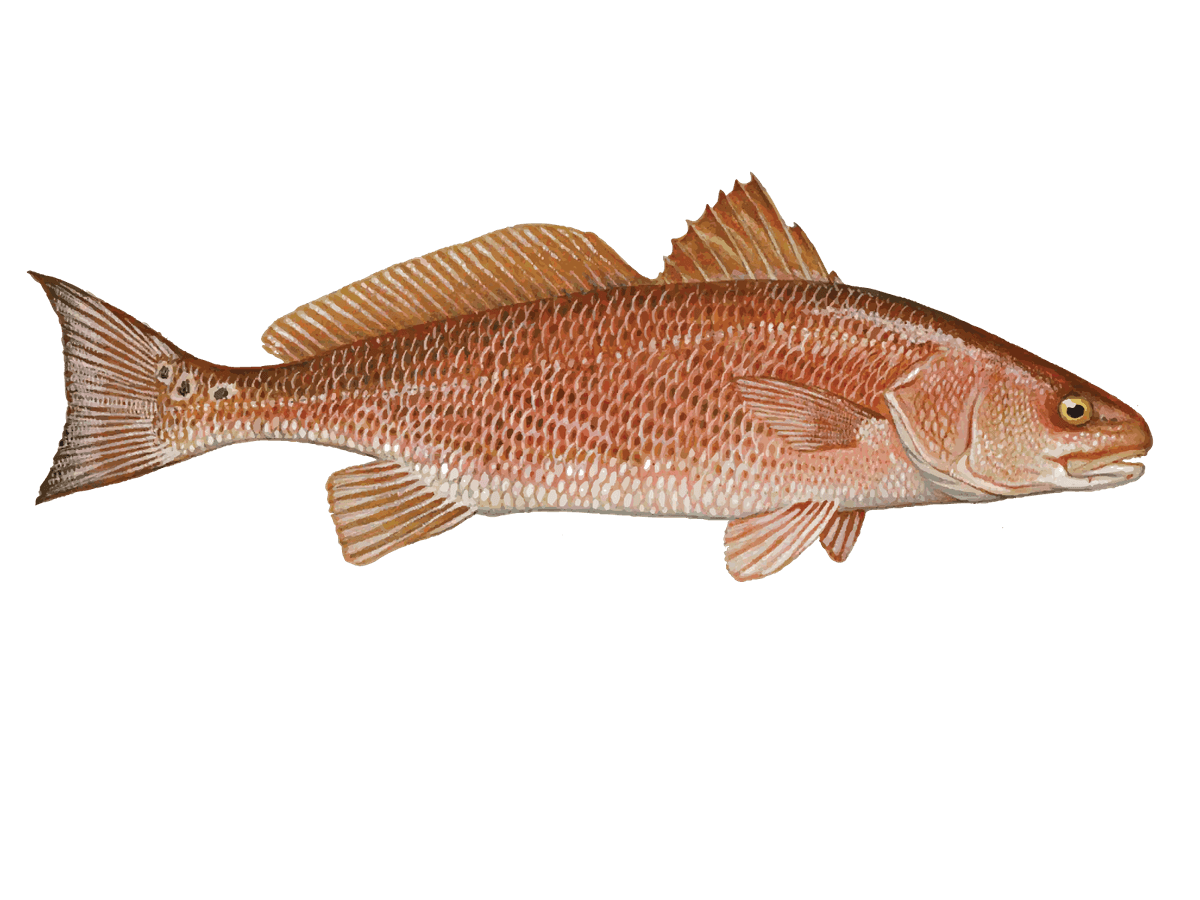
Redfish
Redfish are the crown jewel of our flats fishing, easily spotted by their copper color and distinctive black spot near the tail. These bruisers typically run 20-35 inches and love super shallow water - we often find them with their backs out of the water on mud flats and oyster bars. Year-round fishing is good, but fall brings the best action when they school up. What gets anglers hooked on reds is watching them cruise the shallows and that explosive strike when they take your bait. They fight hard with long runs that'll test your equipment. Great table fare too with sweet, firm meat. The key is being quiet on the flats and presenting your bait ahead of where they're heading - these fish spook easily in skinny water but commit hard when they eat.
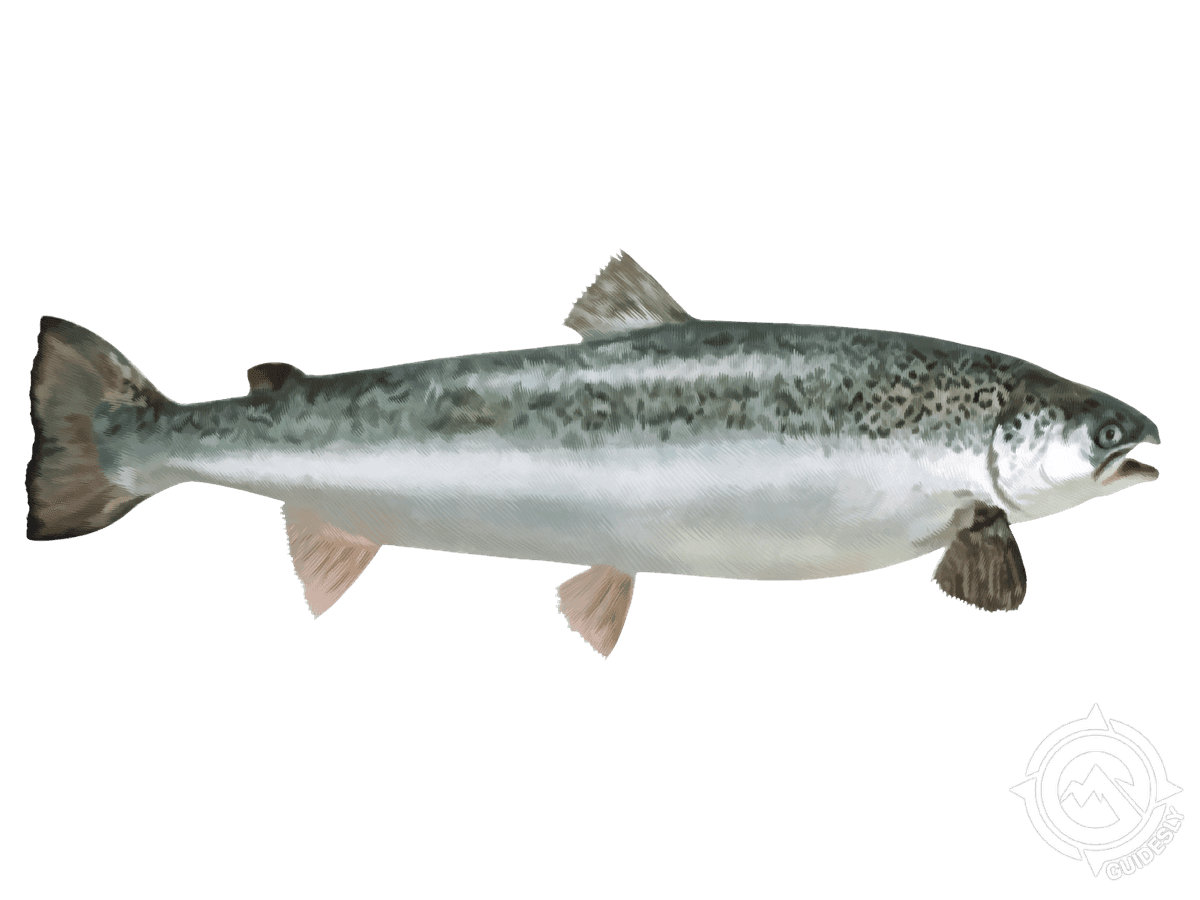
Sea Trout
Sea Trout, or "Speckled Trout," are a staple of our grass flats fishing here in Cape Coral. These spotted beauties typically run 14-20 inches and love cruising shallow seagrass beds hunting shrimp and small baitfish. You'll find them in 2-8 feet of water, especially around drop-offs and channels. Spring and fall are prime, but they bite year-round - just move to deeper water during winter cold snaps. What makes trout special is their willingness to hit topwater lures at dawn and dusk, creating some memorable surface strikes. They're also excellent eating with tender, flaky white meat. Just don't overcook them or they'll get mushy. My favorite trick is working a soft plastic shrimp slowly across the grass flats - let it fall into the pockets where trout ambush prey.
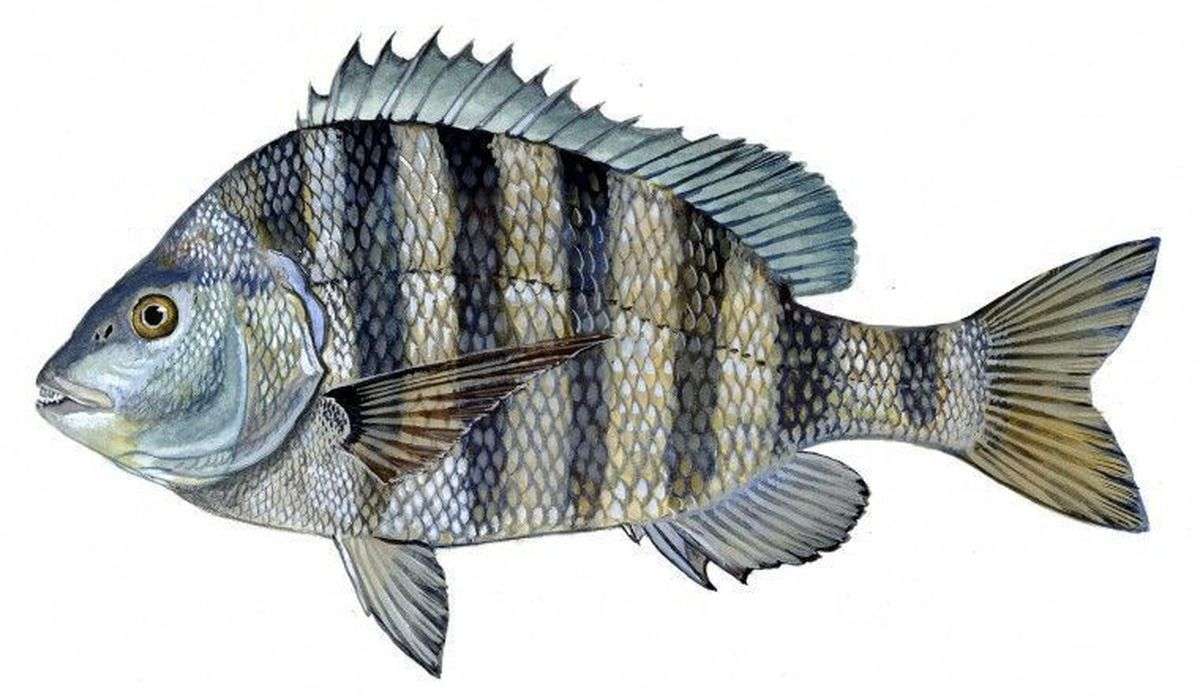
Sheepshead
Sheepshead are the "convict fish" of our waters with those black and white stripes, but what really sets them apart are their human-like teeth used for crushing barnacles. These 1-3 pound fighters hang tight around any structure - docks, bridges, pilings - anywhere they can pick off crustaceans. Winter and spring are peak seasons when they're most aggressive. What makes sheepshead fishing fun is the challenge - they're notorious bait thieves with light bites that'll clean your hook without you knowing. But land one and you've got some of the best eating fish in these waters - sweet, flaky white meat. My go-to tip: use small hooks with fresh shrimp, get as close to the structure as possible, and set the hook hard the second you feel weight. They won't chase bait far from cover.
Snook
Snook are one of our most popular targets here in Cape Coral waters. These golden-colored fish typically run 1-3 feet long, with that distinctive black lateral line and sloped forehead. They love hanging around mangroves, docks, and creek mouths where they ambush baitfish. You'll find them in both fresh and saltwater areas, usually in shallow spots under 10 feet. Spring through fall gives you the best action, especially around the new and full moons when they're most active. What makes snook special is their explosive strikes and strong runs - they'll test your drag for sure. Plus, they're excellent table fare with sweet, white meat. Pro tip: get your bait right up against the structure where they hide - snook won't chase it far from cover.
About the Pathfinder 2500 Hybrid
%2F%2Fusers%2F24e0b801-dc9a-45b5-94ac-7ded447161ac%2Fvehicle_picture%2Funnamed.jpg&w=1200&q=75)
Vehicle Guest Capacity: 6
Manufacturer Name: Yamaha
Maximum Cruising Speed: 45
Number of Engines: 1
Horsepower per Engine: 300