%2Ffit-in%2F250x250%2Fusers%2F24e0b801-dc9a-45b5-94ac-7ded447161ac%2Fimages%2Ff55861e8-bab4-42a1-be17-747376600e5c.jpg&w=1200&q=100)
/users/24e0b801-dc9a-45b5-94ac-7ded447161ac/ratecard/515498432_122232630908245414_6961477955818625292_n.jpg)
%2F300x300%2Fusers%2F24e0b801-dc9a-45b5-94ac-7ded447161ac%2Fratecard%2F515498432_122232630908245414_6961477955818625292_n.jpg&w=256&q=75)
%2F300x300%2Fusers%2F24e0b801-dc9a-45b5-94ac-7ded447161ac%2Fimages%2Ffishing-tours-florida-2608.jpg&w=256&q=75)
%2F300x300%2Fusers%2F24e0b801-dc9a-45b5-94ac-7ded447161ac%2Fimages%2Fredfish-fishing-tour-cape-coral-2661.jpg&w=256&q=75)
%2F300x300%2Fusers%2F24e0b801-dc9a-45b5-94ac-7ded447161ac%2Fimages%2Fredfish-fishing-tour-cape-coral-2803.jpg&w=256&q=75)
%2F300x300%2Fusers%2F24e0b801-dc9a-45b5-94ac-7ded447161ac%2Fimages%2Fsheepshead-fishing-tours-cape-coral-2610.jpg&w=256&q=75)
%2F300x300%2Fusers%2F24e0b801-dc9a-45b5-94ac-7ded447161ac%2Fimages%2Fredfish-fishing-tour-fl-2714.jpg&w=256&q=75)
%2F300x300%2Fusers%2F24e0b801-dc9a-45b5-94ac-7ded447161ac%2Fimages%2Fspotted-weakfish-fl-2620.jpg&w=256&q=75)
%2F300x300%2Fusers%2F24e0b801-dc9a-45b5-94ac-7ded447161ac%2Fimages%2Fredfish-fishing-tour-cape-coral-2696.jpg&w=256&q=75)
%2F300x300%2Fusers%2F24e0b801-dc9a-45b5-94ac-7ded447161ac%2Fimages%2Ffishing-adventure-in-fl-2699.jpg&w=256&q=75)
%2F300x300%2Fusers%2F24e0b801-dc9a-45b5-94ac-7ded447161ac%2Fimages%2Fsnook-catch-florida-2720.jpg&w=256&q=75)
%2F300x300%2Fusers%2F24e0b801-dc9a-45b5-94ac-7ded447161ac%2Fimages%2Ffishing-expedition-florida-2572.jpg&w=256&q=75)
Cape Coral's Finest Inshore Fishing | Fish Fins
 Cape Coral
What you will be catching:
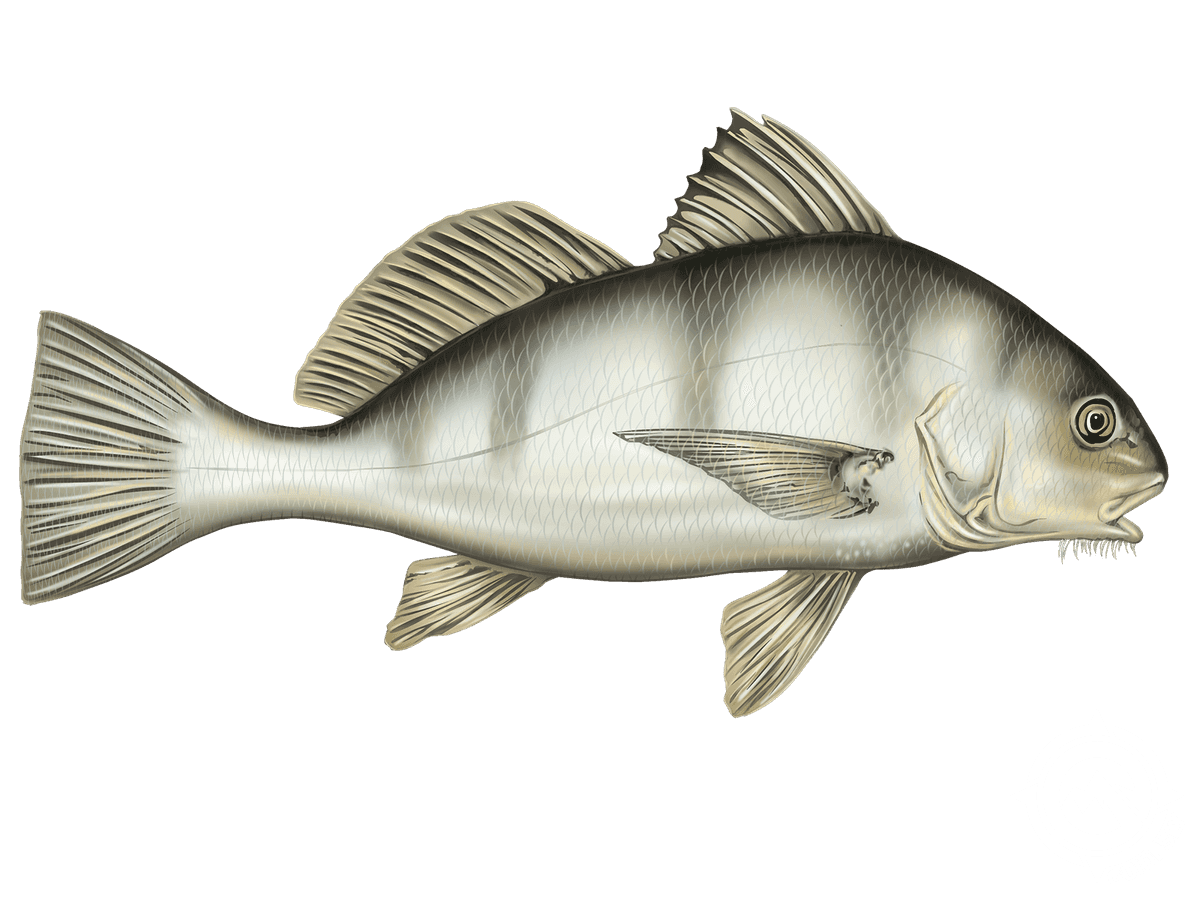
 Black Drum
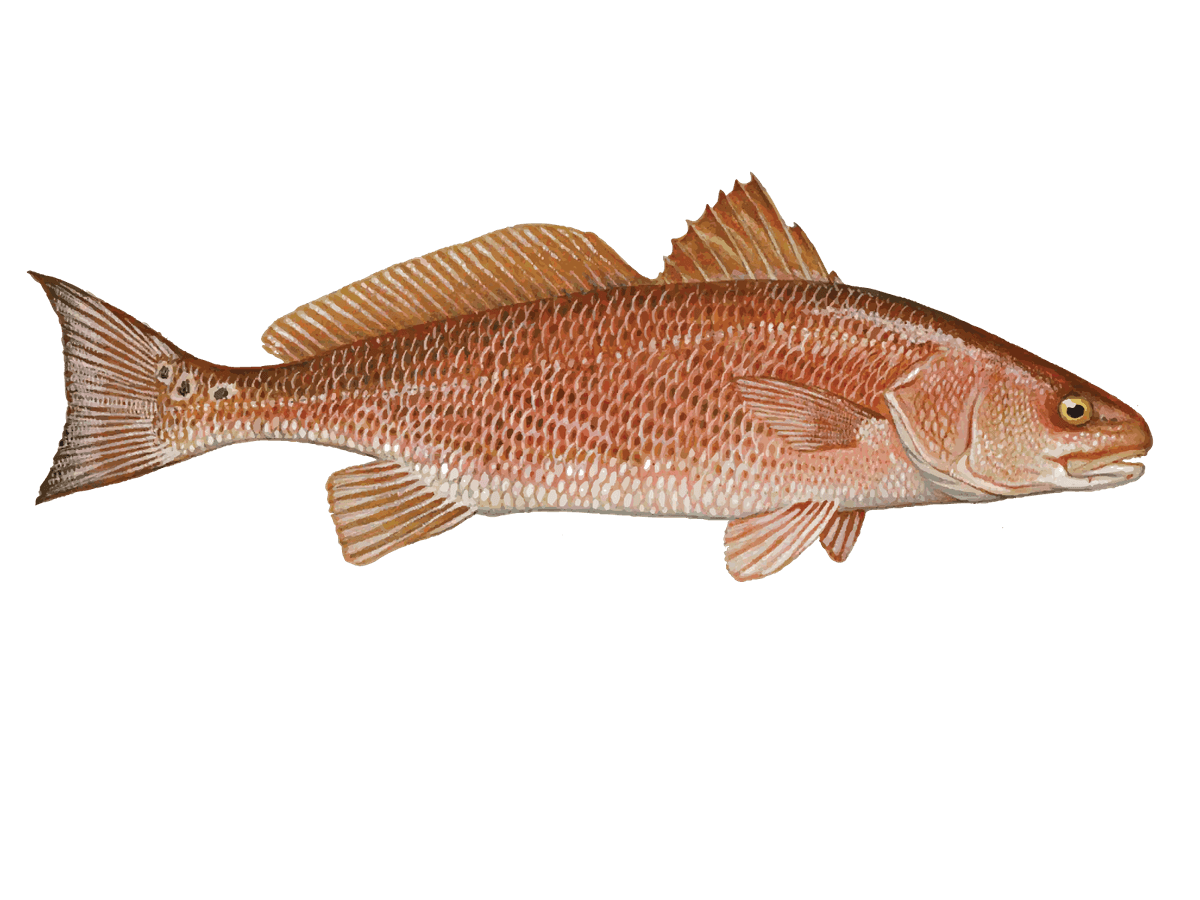
 Redfish
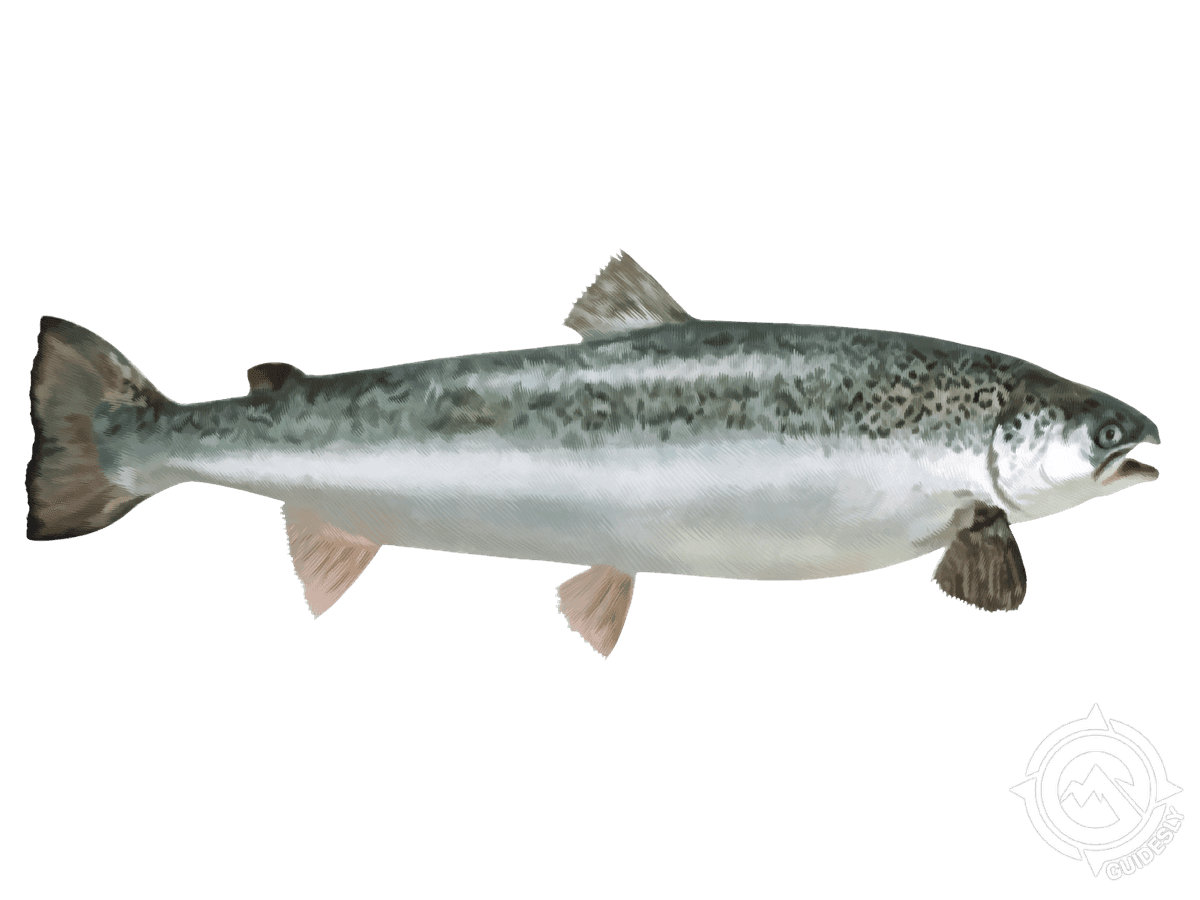
 Sea Trout
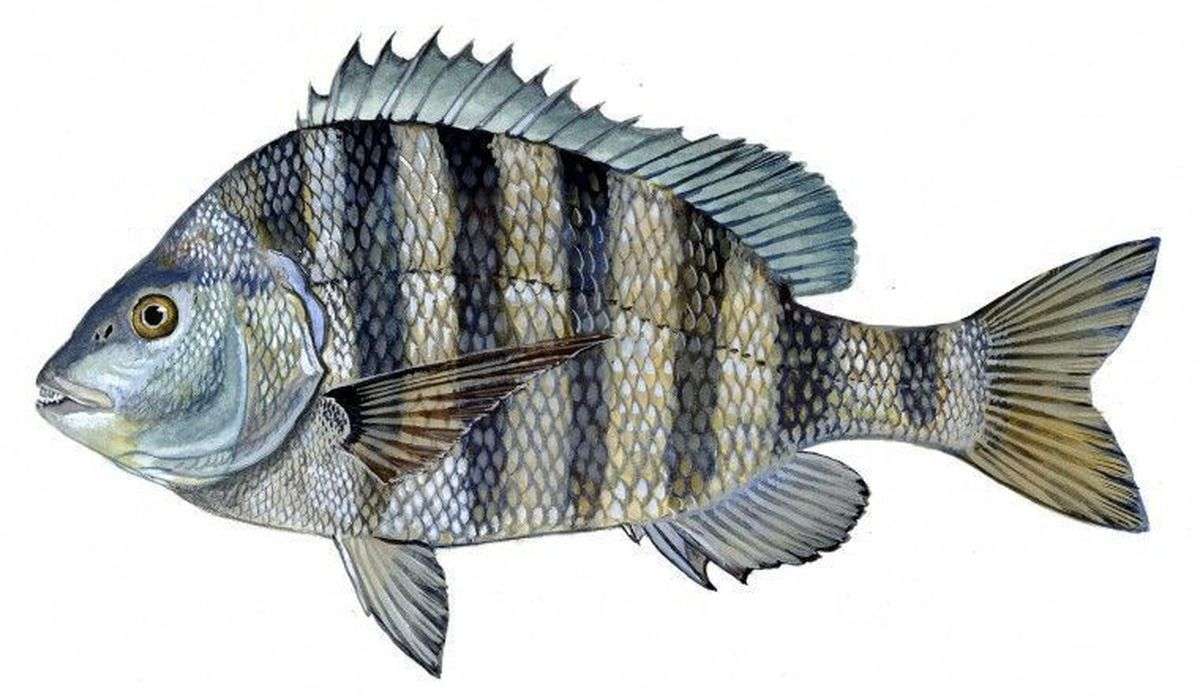
 Sheepshead
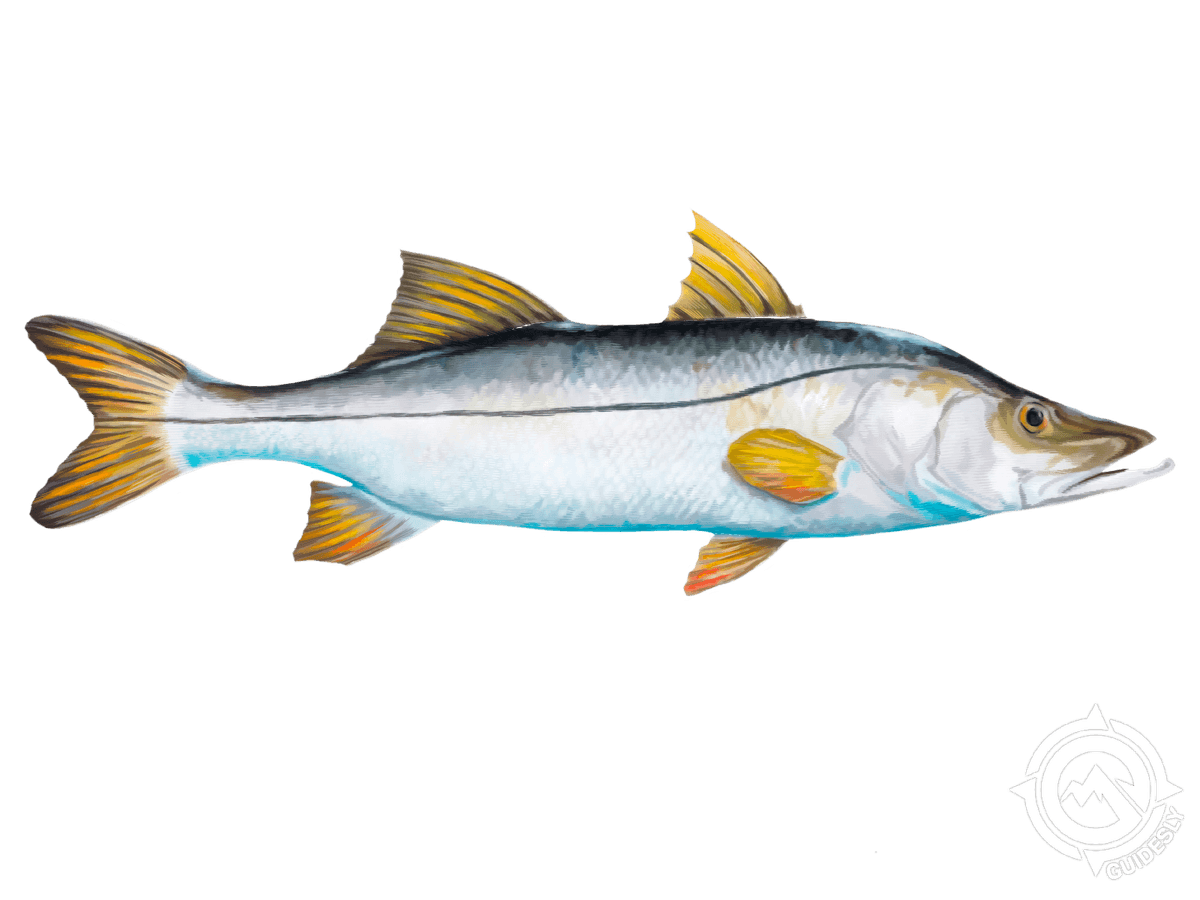
 Snook
Snook
- Join Captain Todd Collier for a full 6-hour private fishing adventure in Cape Coral's productive inshore waters. This extended trip gives you serious time to target Black Drum, Redfish, Sea Trout, Sheepshead, and Snook using live and natural bait. Perfect for families and groups up to 4 people, Captain Todd tailors the experience for everyone from beginners to seasoned anglers aboard his comfortable Pathfinder 2500 Hybrid. Departing from Monroe Canal Marina, you'll have all gear, bait, and licenses covered. The extra time on the water means more opportunities to hook into Gulf Coast favorites while enjoying a relaxed pace that lets you truly experience Florida's inshore fishing at its best.
Trip Pricing and Availabilities:
6 Hour Cape Coral Fishing Adventure
Looking for more time on the water to really dial in on Cape Coral's best fishing? Captain Todd Collier's 6-hour private charter gives you the perfect window to target the area's top inshore species without feeling rushed. This isn't your typical quick morning trip – you'll have plenty of time to work different spots, adjust techniques, and really get into the rhythm that makes Cape Coral fishing so addictive. Whether you're bringing the family for their first real fishing adventure or you're seasoned anglers wanting to maximize your time, this extended half-day trip delivers the kind of personalized experience that keeps customers coming back season after season.
What to Expect on the Water
Captain Todd runs a comfortable Pathfinder 2500 Hybrid that's built for Cape Coral's diverse inshore waters – from the shallow grass flats where redfish cruise to the deeper channels where black drum stack up. You'll launch from Monroe Canal Marina, which puts you right in the heart of some of Southwest Florida's most productive fishing grounds. The 6-hour window gives you flexibility to fish multiple spots and really work an area when the bite is hot. Todd's approach is all about reading the conditions and adjusting the game plan – if the trout are firing on the flats, you'll stay put and capitalize. If the drum are holding tight to structure, you'll have time to work them properly without watching the clock. The boat handles up to 4 anglers comfortably, making it perfect for families or small groups who want that personalized attention you just can't get on bigger charters.
Techniques & Tackle Setup
Cape Coral's inshore fishing is all about versatility, and Captain Todd comes prepared with the right gear for whatever the day throws at you. You'll primarily fish with live and natural baits – think live shrimp, pinfish, and cut bait that these inshore species can't resist. The beauty of a 6-hour trip is having time to really work different presentations. You might start the morning sight-fishing for redfish in skinny water, then transition to bottom fishing for black drum as the tide changes, and finish up working the mangrove edges for snook as the sun gets higher. Todd provides all the tackle, from light spinning gear perfect for trout and sheepshead to the heavier setups you'll want when a big snook decides to make a run for the mangroves. Live bait fishing is the bread and butter here, but don't be surprised if Todd breaks out some artificials when the conditions are right – few things beat the excitement of watching a redfish crush a topwater plug in shallow water.
Species You'll Want to Hook
Snook are the crown jewel of Southwest Florida fishing, and Cape Coral's extensive canal system and mangrove shorelines provide perfect habitat for these ambush predators. These fish are structure-oriented, hanging tight to docks, mangrove roots, and bridge pilings where they can dart out to grab an easy meal. Snook are sensitive to water temperature, so they're most active during the warmer months from spring through fall. What makes them so exciting is their explosive strike and acrobatic fight – they'll jump, run, and do everything possible to wrap your line around the nearest obstruction. The slot size for snook runs from 28 to 32 inches, and while you can harvest during open seasons, many anglers prefer to release these beauties to fight another day.
Black drum are the heavyweights of the inshore scene, and Cape Coral's deeper channels and oyster bars hold some real giants. These fish are bottom feeders with a preference for crabs, shrimp, and clams, making them perfect targets for natural bait presentations. Unlike their smaller cousin the redfish, black drum tend to stay deep and fight with brute strength rather than flashy runs. The bigger fish – those over 16 inches – are primarily catch and release, but they provide some of the most memorable battles you'll experience in shallow water. Peak season runs from late fall through spring when cooler water temperatures bring them into the shallows to feed. Their powerful, bulldogging fight will test your tackle and your patience.
Sea trout are the perfect species for anglers of all skill levels, and Cape Coral's grass flats are loaded with them year-round. These fish are aggressive feeders that respond well to both live bait and artificials, making them a blast on light tackle. Trout typically school up over sandy bottoms adjacent to grass beds, and they're most active during moving water. What makes them so popular is their willingness to bite and their excellent table fare – they're one of the best eating fish in Southwest Florida waters. The winter months often produce the biggest fish as mature trout move into deeper water, while spring and summer offer consistent action with smaller fish that are perfect for introducing kids to saltwater fishing.
Sheepshead are the technical challenge of inshore fishing, with their bait-stealing reputation and incredible structure-oriented behavior. These fish hang tight to pilings, docks, and rocky structure where they feed on barnacles, crabs, and small shellfish. Their small mouth and notorious light bite require patience and skill, but landing a nice sheepshead is incredibly satisfying. Winter is prime time for sheepshead in Cape Coral as they move inshore to spawn, often stacking up around bridges and docks in impressive numbers. Their distinct black and white stripes make them one of the most recognizable fish in local waters, and their firm, white meat makes them a favorite for the dinner table.
Redfish are the bread and butter of Cape Coral fishing, and these copper-colored bruisers provide some of the most consistent action you'll find in Southwest Florida. These fish are perfectly adapted to the shallow flats and mangrove shorelines that define Cape Coral's fishing landscape. Reds are opportunistic feeders that will eat everything from live shrimp to cut bait, and they're known for their powerful runs and stubborn fight. The slot size runs from 18 to 27 inches, and fish in this range provide excellent table fare.
Learn more about the species
Black Drum
Black drum are bottom-dwellers that pack serious power, typically running 5-30 pounds in our local waters. You'll find them around oyster bars, muddy flats, and creek mouths where they crush crabs and shellfish with those strong jaws. Spring is prime time when they school up for spawning - that's when you'll hear their distinctive drumming sounds underwater. These fish are bulldogs that'll bend your rod and test your patience with their stubborn fights. The smaller ones under 15 pounds make excellent table fare with mild, white meat. My go-to tip: use fresh crab or cut shrimp on the bottom near structure, and don't be afraid to use heavier tackle - they'll pull hard and head straight for the nearest oyster bar.
Redfish
Redfish are absolute favorites with their copper-bronze color and signature black spots near the tail. These bruisers run 20-35 inches in our area and love super shallow flats, oyster bars, and mangrove shorelines - sometimes in water so thin their backs stick out. Year-round fishing is solid, but fall and spring offer the best action when they're feeding aggressively. What makes reds special is that explosive strike and bulldogging fight - they'll make screaming runs and use their broad tail to full advantage. Plus, they're excellent table fare with firm, mild meat. The trick is sight fishing: pole quietly through shallow water, spot their backs or tails, then drop a shrimp or crab imitation right in front of their nose. They rarely refuse a well-placed offering.
Sea Trout
Spotted sea trout, or "specks" as we call them, are beautiful fish with those distinctive black spots covering their silver sides. They typically run 14-20 inches and love grass flats in 2-8 feet of water. Dawn and dusk are magic hours, especially during spring and fall when they're most active. These fish put up a scrappy fight with some nice runs, and the smaller ones are fantastic eating with delicate, flaky meat. What guests really enjoy is how responsive they are to artificial lures - topwater plugs, soft plastics, and live shrimp all work great. Pro tip: look for nervous water over grass beds and make long casts to avoid spooning them. They're easily startled, so keep the boat motor quiet and work the edges of the flats methodically.
Sheepshead
Sheepshead are the "convict fish" with those black and white stripes, but don't let their looks fool you - they're crafty bait thieves with human-like teeth. Most run 1-4 pounds and love hanging around docks, bridges, and any barnacle-covered structure. Winter and spring are peak times when they're feeding heavily before and after spawning. Guests love the challenge because these fish require finesse - they'll steal your bait clean off the hook if you're not paying attention. The payoff is sweet, white meat that's hard to beat on the table. Here's the key: use small hooks with fresh shrimp or fiddler crabs, keep your bait tight to structure, and set the hook hard the moment you feel weight. They're notorious for that light nibble before they commit.
Snook
Snook are one of our top inshore targets, running 18-30 inches on average with that distinctive black lateral line and golden coloring. These ambush predators love hanging around mangroves, docks, and creek mouths where they can dart out at baitfish. They're temperature sensitive, so cooler months can slow the bite, but spring through fall offers consistent action. What makes snook special is their explosive strike and strong runs - they'll test your drag for sure. The meat is white and flaky, perfect for the dinner table. Here's a tip: cast your bait right up against structure where they hide. They won't chase it far, so get that shrimp or pilchard within a few feet of cover for the best shot.
About the Pathfinder 2500 Hybrid
%2F%2Fusers%2F24e0b801-dc9a-45b5-94ac-7ded447161ac%2Fvehicle_picture%2Funnamed.jpg&w=1200&q=75)
Vehicle Guest Capacity: 6
Manufacturer Name: Yamaha
Maximum Cruising Speed: 45
Number of Engines: 1
Horsepower per Engine: 300